
Regenerative agriculture
Working from the ground for a more resilient food system
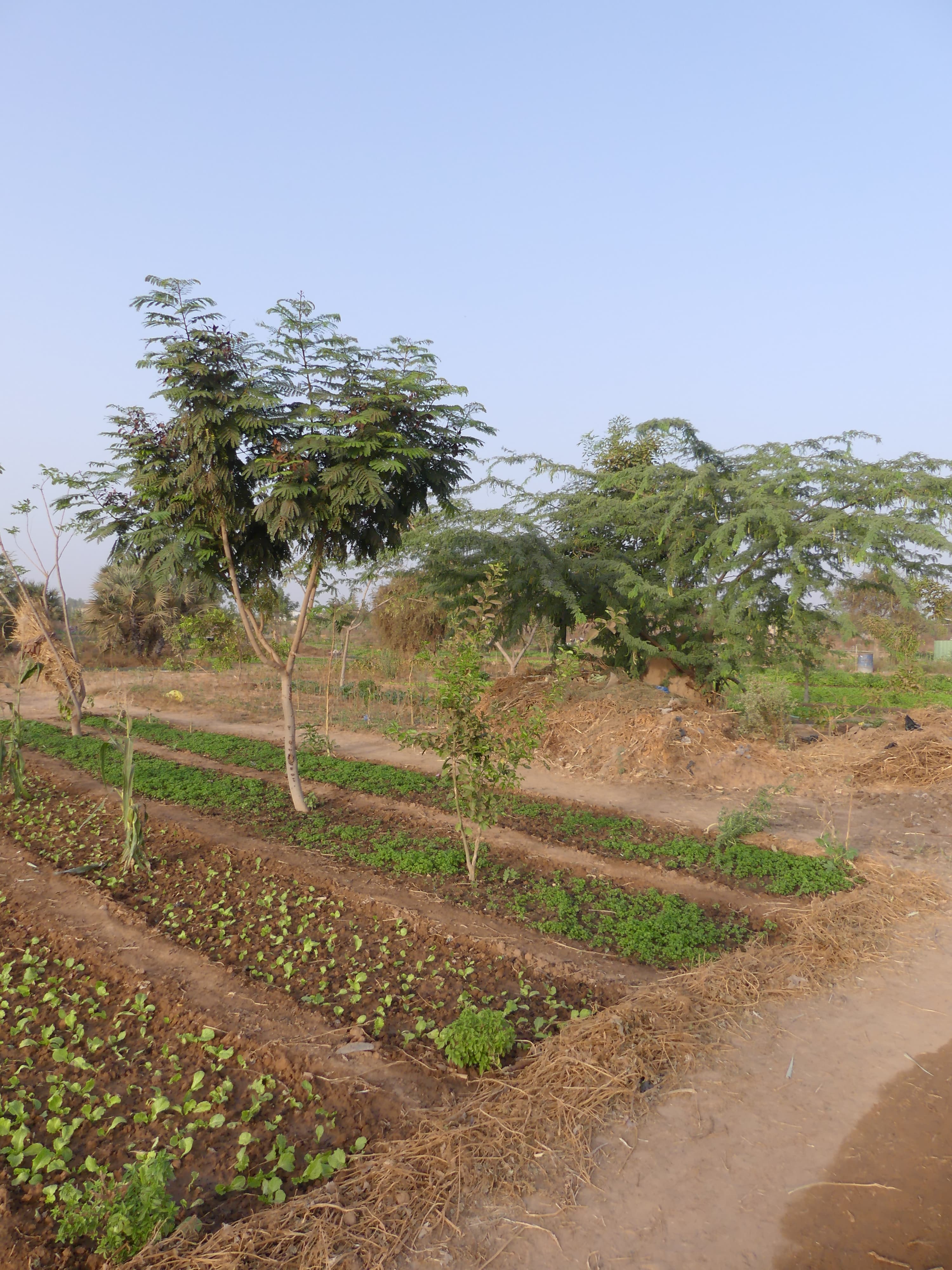
Working from the ground for a more resilient food system
How our food gets to our tables matters. There may not be enough soil left to feed the world within 60 years due to unsustainable agricultural practices.
Land degradation has affected a quarter of the world's land surface. Millions of hectares of forests, which play a key role in providing food, regulating water cycles and maintaining biodiversity, have been affected by the relentless process of urbanisation and the expansion of the agricultural frontier.
Industrial and conventional agriculture, monoculture and other unsustainable productive models threaten around 1 million animal and plant species with extinction. The unsustainable use of land and of natural resources undermines our ability to adapt to climate change.
Now, more than ever, is time to produce our food in a way that does not exceed the environmental boundaries of our planet, and do not harm biodiversity, ecosystems or the climate. At the same time, we must ensure the resilience of farmers, allowing them to withstand crises, shocks and disruptions.
Rikolto works with farmer organisations (cooperatives, associations or farmer groups) to enhance their resilience so that they can continue producing enough, even after a climate shock, to earn a decent living from agriculture, and to make their farms a positive force for the future of the planet.
To achieve this, we accompany farmers towards the adoption of regenerative agricultural practices.
Soil is very often underrated, but it provides us with everything we eat. Healthy soil means healthy seeds and nutritious crops, which means healthy plants and, eventually, healthy food.
Through a specific set of practices, regenerative agriculture aims to restore degraded soil, keep it healthy, foster biodiversity and recreate an ecosystem where soil microorganisms such as fungi, insects, bacteria and microbes can store carbon, turn waste into nutrients and retain water efficiently.
“Even for some companies or NGOs, regenerative agriculture remains an abstract concept. But when you ask a farmer: “Do you combine crops?”, they will answer: “Yes, of course, of course!”. The practices are the same – regenerative agriculture is another name for them.”
Fausto Rodriguez | Latin American Director of Cocoa for the Programme of Sustainable Cocoa and Coffee, Rikolto.
Conserving biodiversity on which food systems depend and protecting the natural ecosystems that harbour biodiversity is a high priority for us at Rikolto. Our global strategy focuses on three pillars: sustainable production, market inclusion and an enabling environment. Regenerative agriculture practices are integrated within each of these three pillars.
In the first pillar - sustainable production - we work with farmers' organisations to enhance their professionalism and governance through continuous improvement. We also provide advice and training on the application, adaptation and adoption of regenerative farming practices, including agroforestry systems and diversification. Our holistic approach ensures that these practices benefit people, communities, and the planet by building farmers' resilience.
Under the pillar of inclusive markets, we improve farmer organisations' access to local, national and international markets by building business relationships with a long-term outlook, fulfilling the needs of farmers and buyers alike. For both farmers and buyers, we help build the business case of implementing regenerative agricultural practices. In the meantime, we aim contributing to safer and sustainably produced food reaching more citizens in cities and rural areas.
Finally, the third pillar is the enhancement of an enabling environment. We do this by co-creating and replicating regenerative agricultural solutions through facilitating multi-stakeholder participation, proposing policies and strategies, improving access to finance (credit), and partnering with local governments, research institutions, universities, citizens and private companies.
“Healthy farming is the cornerstone of a sustainable food system. Everyone who has a stake in food must take responsibility. Fair prices and long-term partnerships with farmers will be crucial. So will fair compensation for the benefits farmers bring to natural ecosystems. For Rikolto, this means that enabling inclusive business is more important than ever.”
Chris Claes | Executive Director, Rikolto International
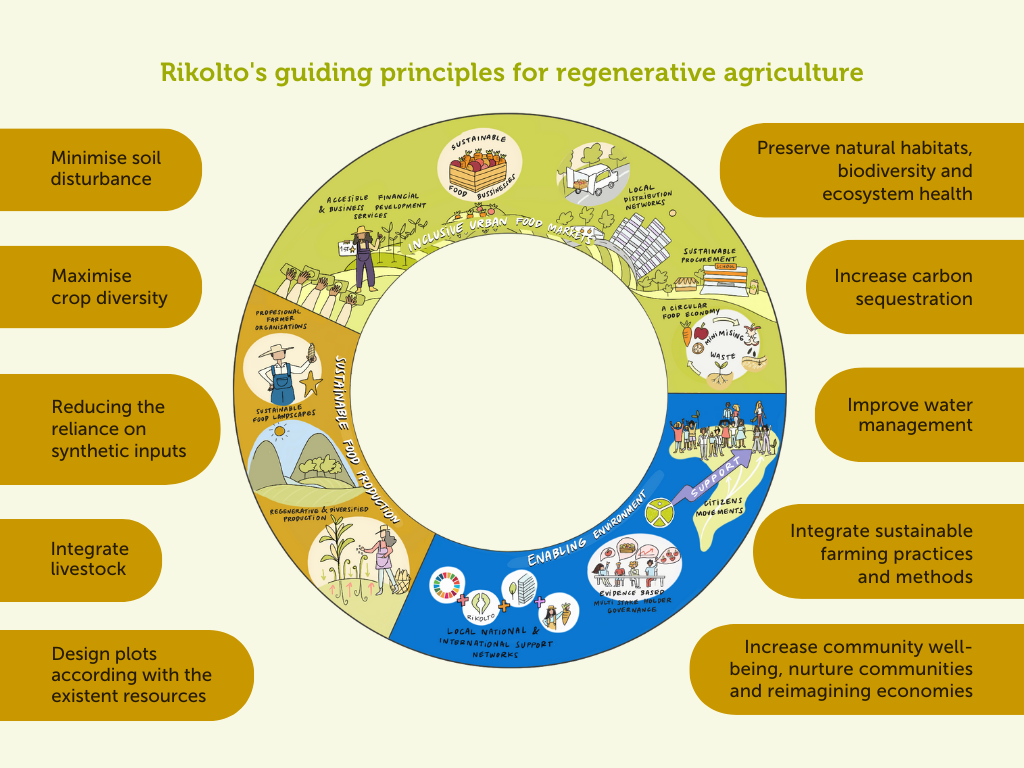
In our new programme cycle, we identified 10 principles to guide our interventions and for a better understanding of the different forms that regenerative agriculture can take:
Rikolto's global strategy focuses on three pillars: sustainable production, market inclusion and an enabling environment. Regenerative agriculture practices are integrated within each of these three pillars.
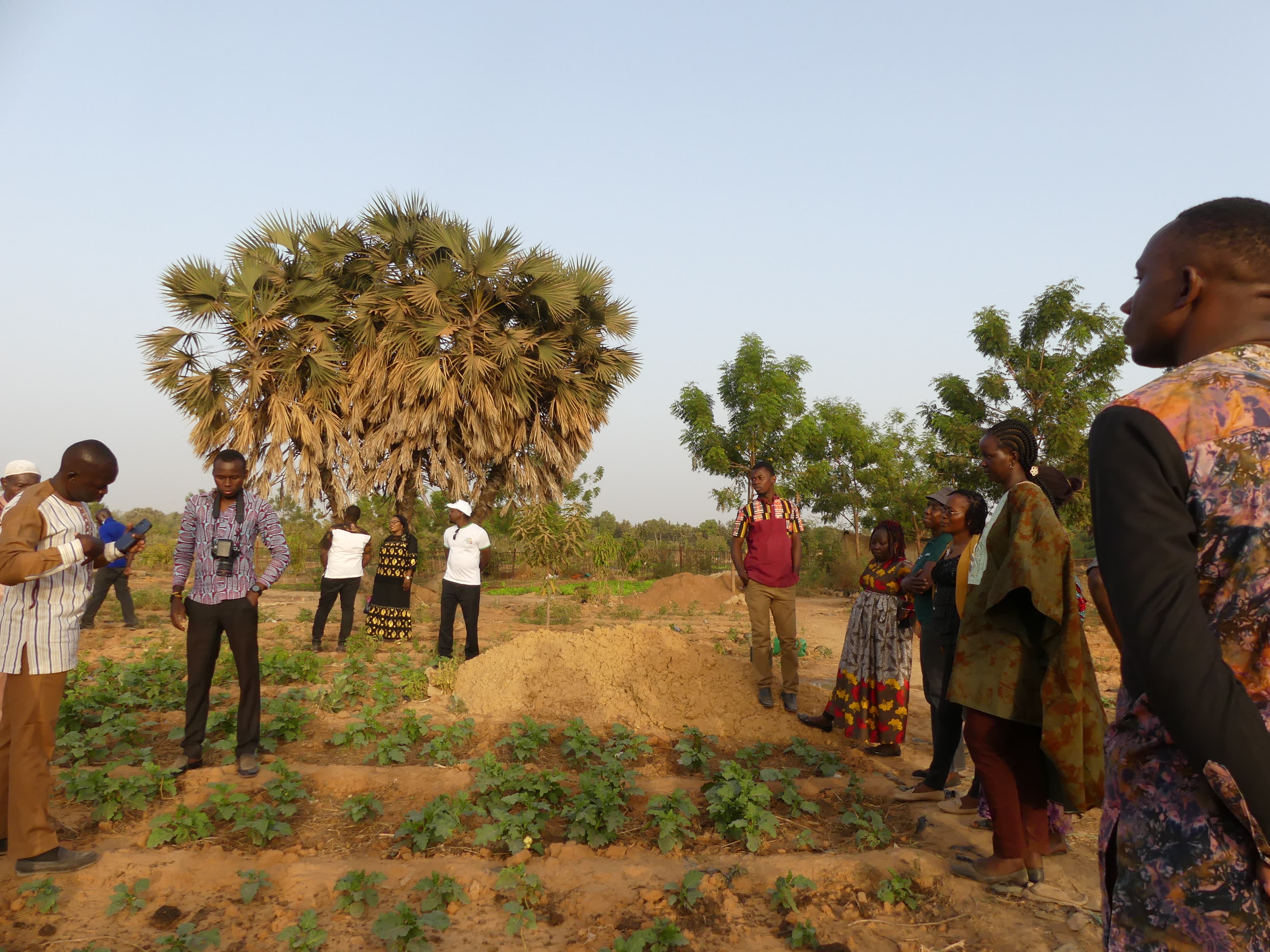
Cities occupy only 3% of the Earth’s surface but consume up to 70% of the food supply, even in countries with large rural populations. By 2050, 80% of all food is expected to be consumed in cities. At the same time, 60% of irrigated croplands and 35% of rainfed croplands are located within a 20 km radius of urban agglomerations.
In this programme, Rikolto aims at catalysing collective action among local food system stakeholders to make urban food environments and their underlying supply chains more conducive to healthy, sustainable and nutritious diets for all.
Our interventions entail preserving food landscapes - under pressure by the effects of climate changes, unsustainable production models and again, the expansion of the agricultural frontier - adopting an action plan, implementing it and monitoring its results.
Also, we promote and incentivise the adoption of regenerative agriculture practices through the facilitation of inclusive business models between producers and buyers (focusing on market segmentation and institutional purchasing) that reward the adoption of these practices. We also work on increasing the number of areas dedicated to urban and peri-urban agriculture to reduce the urban heat island effect in cities.
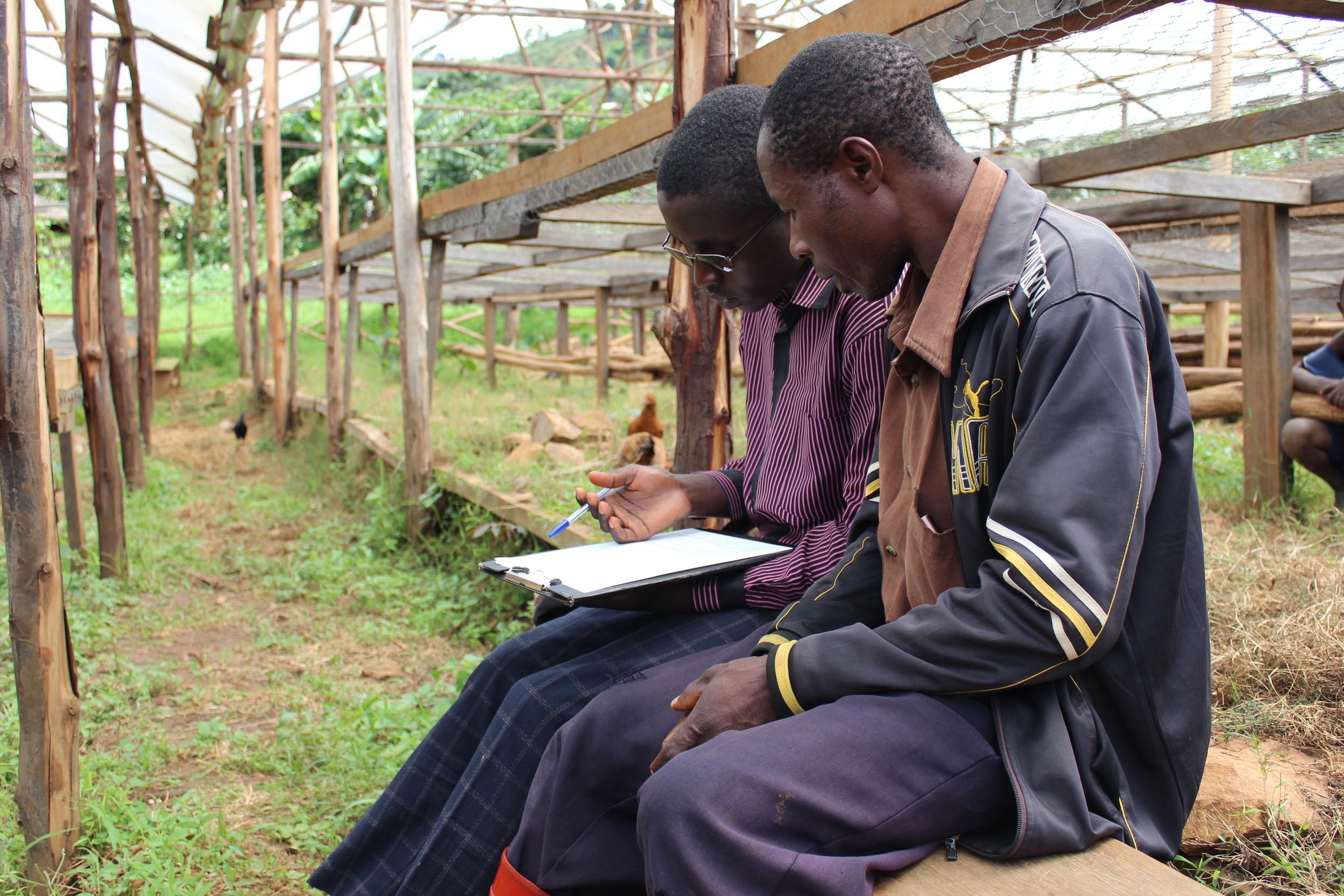
Cocoa and coffee support the livelihoods of over 50 million people. Yet these global commodities are plagued by numerous challenges – such as low incomes, gender inequality, declining productivity and deforestation – that undermine their potential contribution to food system transformation.
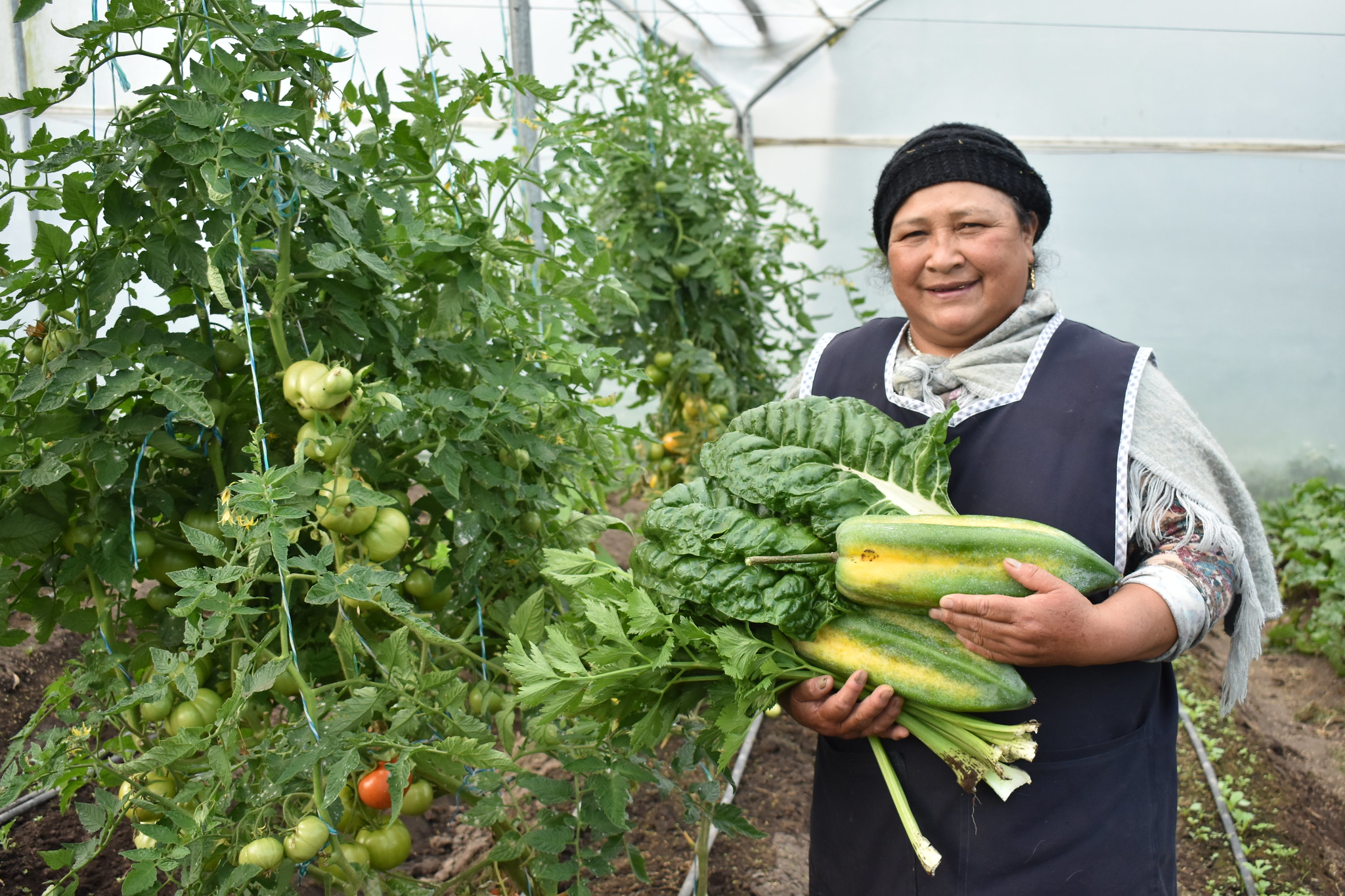
In this programme, Rikolto promotes the adoption of agroforestry systems, to increase the diversification, improve the management of the soil and the resilience of cocoa and coffee farms to natural disasters, and to provide smallholders with additional income.
This type of intercropping system also increases the biodiversity of the area and can help to mitigate the effects of deforestation. We have also worked on the application of integrated pest management and payment for ecosystem services (specially carbon sequestration). In the Peruvian coffee sector we have developed studies to calculate the carbon footprint of coffee cultivation.
.png)
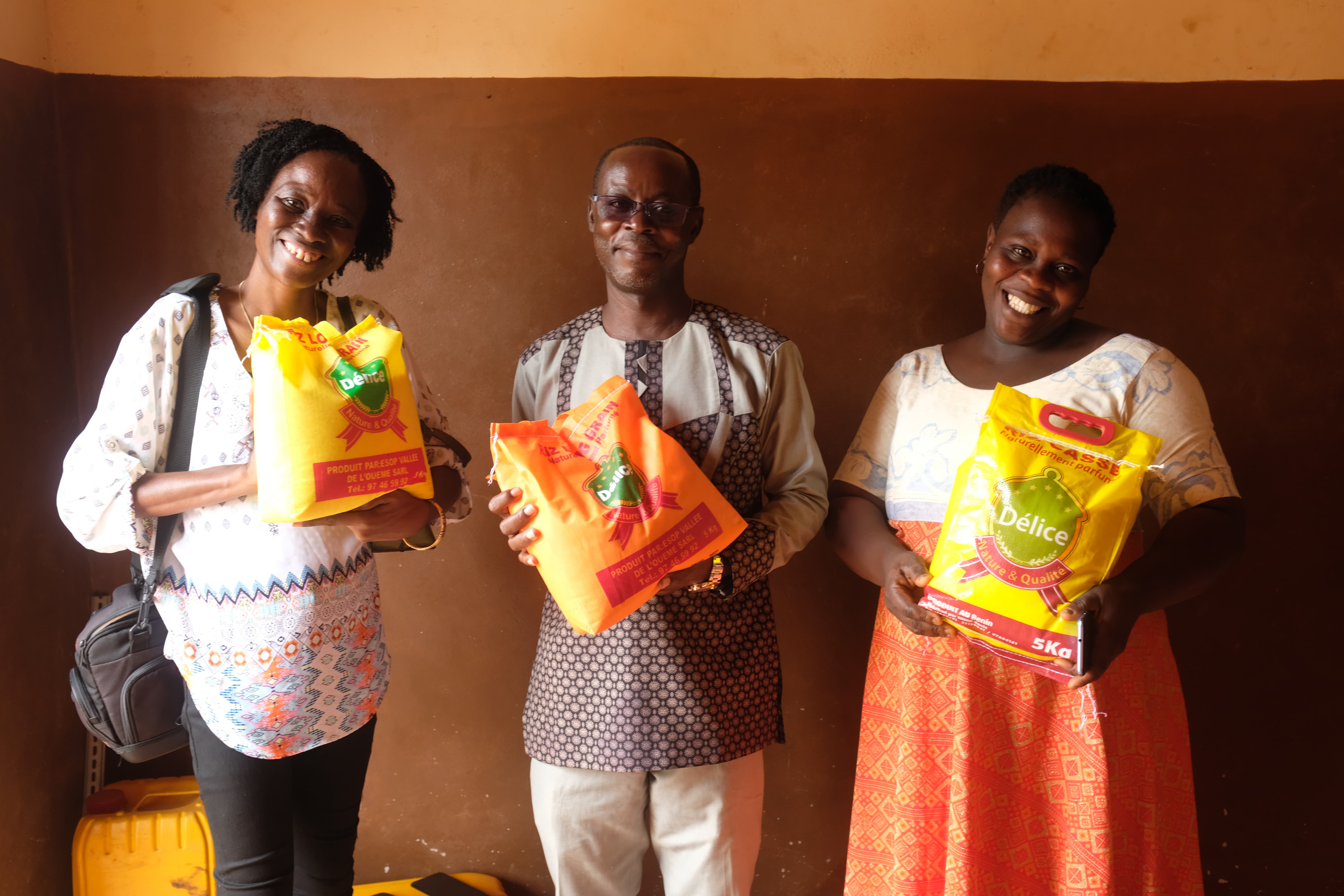
Rice is a staple food for almost half of the world's population. It is also the crop which is most sensitive to climate variability over its growing season, whilst having a huge environmental footprint. To raise productivity in a sustainable way, we promote the use of the Sustainable Rice Platform (SRP) Standard.
In this programme, we actively work with farmers to disseminate agroecological practices - also part of a regenerative agriculture approach - such as the use of local organic fertiliser, the production of compost and bio-pesticides, intercropping and selective harvesting, the adoption of erosion control and degraded soil restoration methods and improved irrigation techniques. We also develop local capacity to produce improved seeds more resilient to climate change, to apply less climate-impactful post-harvest techniques, to transform paddy into nutritious and quality rice (parboiled rice but also fortified rice with vitamins and micro-nutrients or special traditional varieties).


.jpg)