Gender equality
To speed up food system transformation
.jpg)
To speed up food system transformation
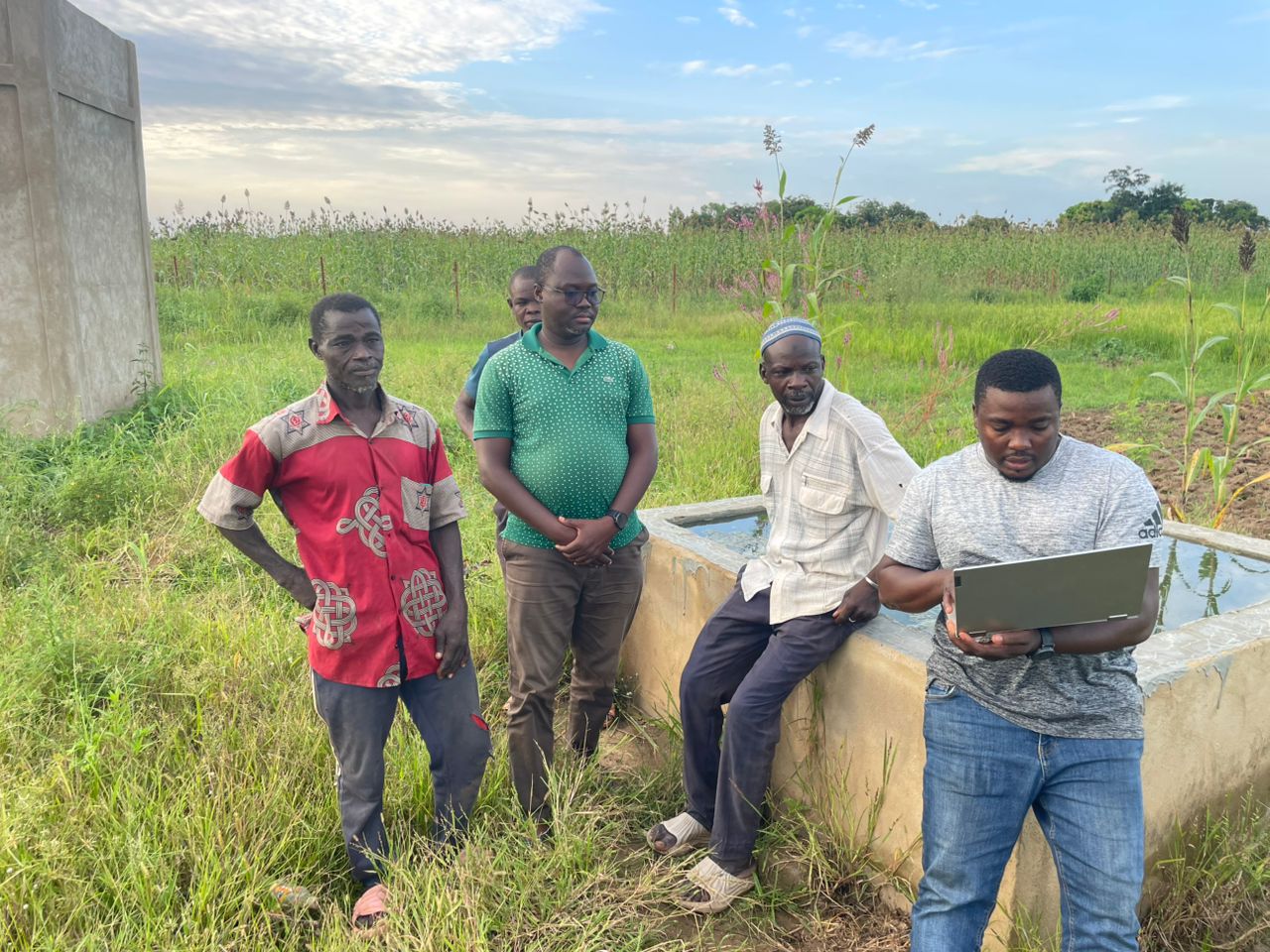
Women are key actors in every part of the food system, as farmers, processors, wageworkers, traders, and consumers – who purchase and prepare food for their families. Their contributions are often unpaid and undervalued.
Women are also hit harder by environmental degradation and climate change: the land assigned to them is often less fertile, and they don’t always have access to the resources they need to improve their soil and crop quality, for instance, machinery or essential agricultural inputs, such as seeds and fertilisers. Moreover, access to technical assistance, market information, and financing opportunities tend to be more limited for women, making it even more difficult for them to venture into entrepreneurship.
If women had the same access to and control over inputs such as seeds and fertiliser, property, technical assistance, market information, etc. as men, they could increase the total agricultural output on their own farms by 2.5 to 4 percent. Closing the gender gap in farm productivity and the wage gap in agrifood systems would reduce global food insecurity by about 2 percentage points, reducing the number of food-insecure people by 45 million. (FAO 2023) Research also shows that when women have access to a proper income, it improves child nutrition, health and education.
Women are feeding the world. Faced with a growing population, and the urgency of eradicating hunger and malnutrition, addressing gender disparity in all parts of the food system could have far-reaching impact on both food security and the well-being of a significant part of the world’s population.
Rikolto applies a “gender mainstreaming” approach in its programmes, which means that women’s economic empowerment is integrated into all possible stages of our programmes, for instance, identifying key entry points for women, conducting gender-responsive market research, and gender-responsive results measurement systems.
“We are convinced that socioeconomic relations won’t change if we don’t include a gender mainstreaming approach. Only when we succeed in changing power relations and bridging the gap of inequality of access to resources and training opportunities, will we be able to contribute to gender equality through our programmes.” Mariela Wismann, Good Food for Cities programme director in Latin America (Rikolto)
Rikolto's global strategy focuses on three pillars: sustainable production, market inclusion and enabling environment. Gender equality is integrated within each of these three pillars.
The first pillar, sustainable food production, relates to our efforts to support farmer organisations on their road to professionalisation. We focus on sustainable production practices, resilience in the face of climate change and organisational development. We put in place the conditions for the full participation of women in food systems, at the production and post-harvest level, in the management of cooperatives, and for their access to inputs, resources, and services. This also means supporting farmer cooperatives to become more gender-inclusive, adopting differentiated training courses for women, setting up Women’s Committees as part of cooperatives’ organisational structures, etc.
The second pillar, market inclusion, aims to integrate smallholder farmers into national and international markets and improve citizens’ access to healthy and sustainable food. It works towards an inclusive food environment in which women and young people can gain a foothold on the one hand, and emphasises the importance of access to safe and nutritious food for consumers, particularly vulnerable ones, on the other. Our focus lies in agri-business development with equal opportunities for women and men. The key is improving the access of women to funds and credit, for instance through business incubators and gender-specific training.
The third pillar is the creation of an enabling environment, through genuine participation in policymaking, improved access to finance (loans) and extended partnerships (for instance, with local governments). Gender mainstreaming in this aspect entails promoting equal opportunities for women to contribute to food policy discussion, equity in participation and representation of women in multi-stakeholder platforms, and contributing to policies and practices that promote improved access to and control over productive resources and services for women.
The strategy serves as the backbone for the development of our programmes and allows us to ensure our teams have the skills and resources to actively contribute to the elimination of gender-based inequalities in our sphere of influence. Scroll down for examples of how we translate the strategy into our work or read the full strategy by clicking on the button below.
80% of all food is expected to be consumed in cities by 2050. But how can cities make sure that every citizen can access and afford sufficient, safe, and nutritious food, and food producers can make a decent living within the ecological limits of our planet?
Our Good Food for Cities programme aims at catalysing collective action among local food system actors to make urban food environments and their underlying supply chains more conducive to healthy, sustainable and nutritious diets for all.
Gender equality constitutes an integral part of this. More specifically, we foster the development of a gender-sensitive entrepreneurial ecosystem, for instance, by supporting the creation and development of women-led businesses, promoting equal access to and use of business development services, and accompanying women entrepreneurs throughout the creation and incubation of their businesses.
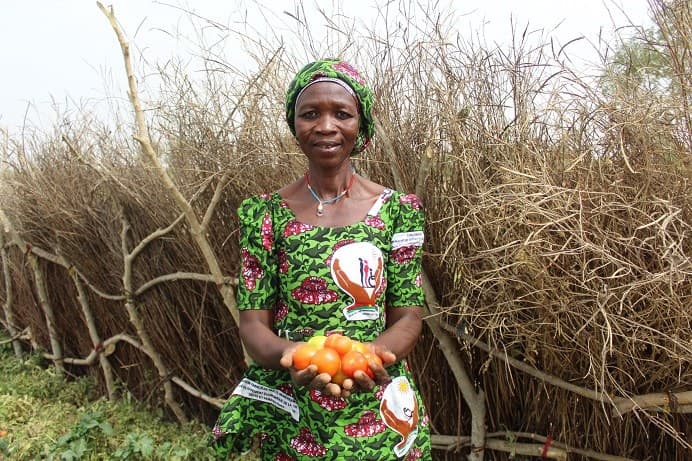
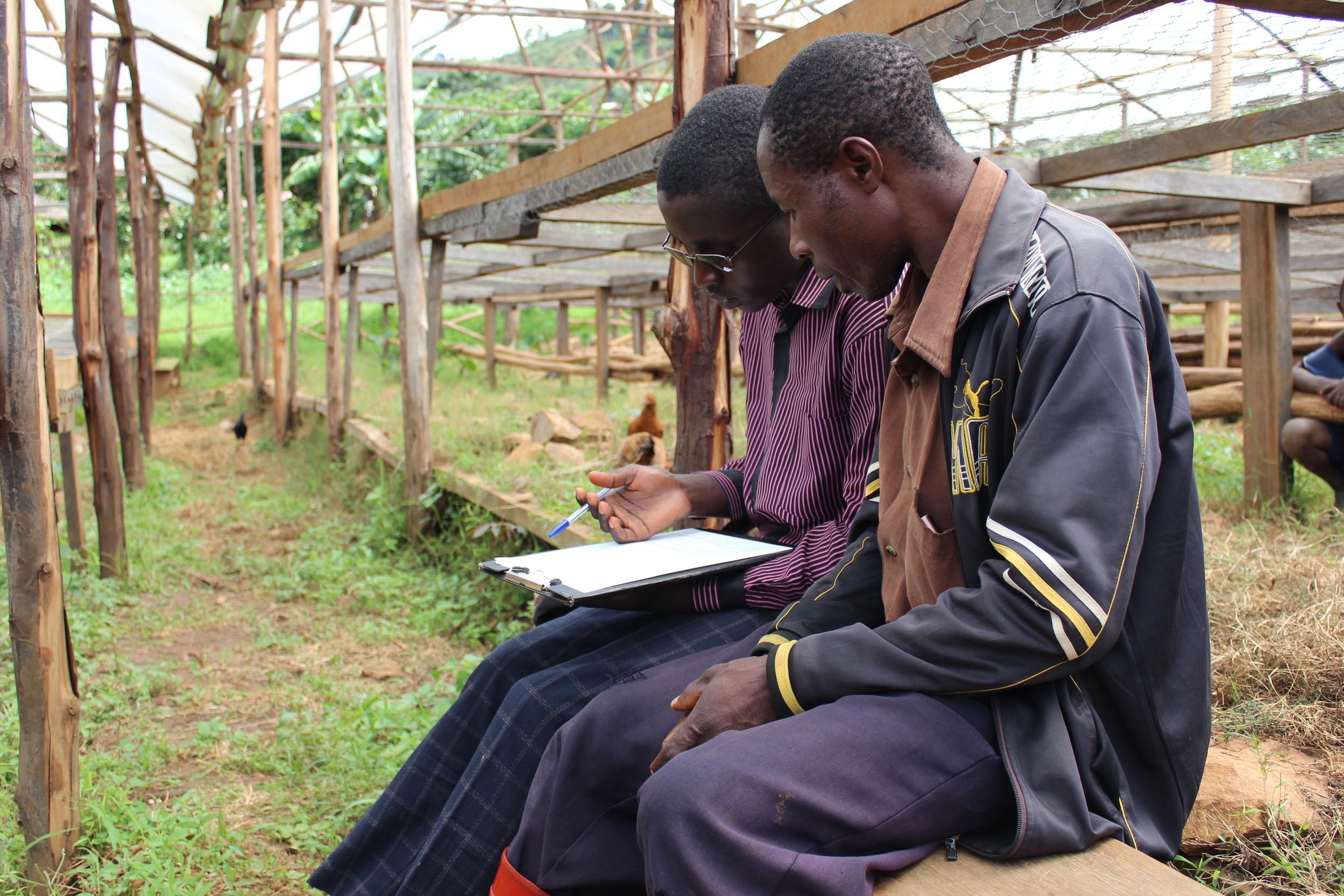
The cocoa and coffee sectors involve some 30 million smallholder farmers and provide livelihoods to over 50 million people. Yet these global commodities are beset by numerous problems – such as low incomes, gender inequality, declining productivity, and deforestation – which undercut their potential contribution to food systems change. Addressing the issues of sustainability and inclusiveness in both sectors is crucial. A better integration of women, valorising their hands-on knowledge and leadership skills, is critical.
.JPEG)
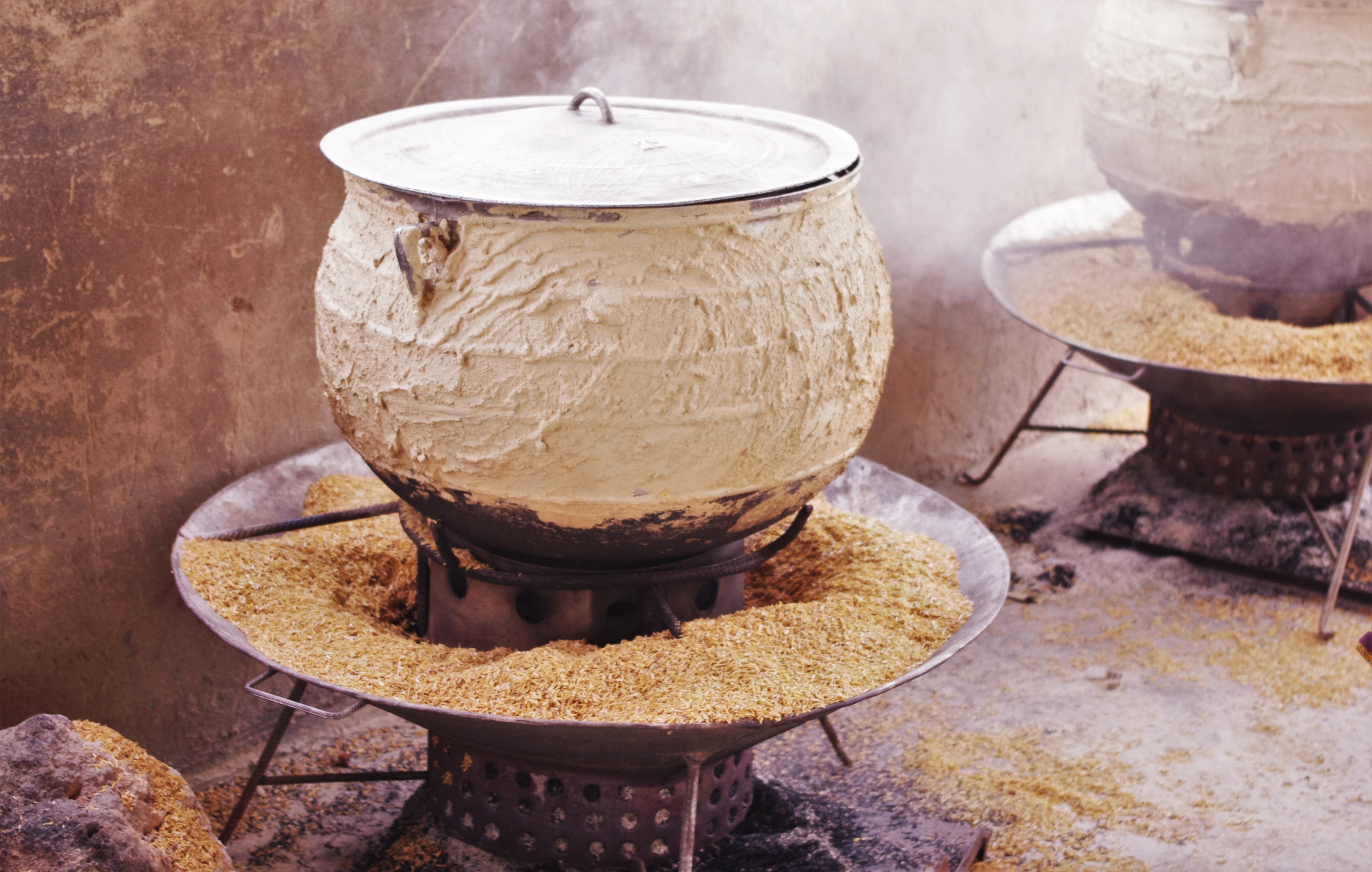
Rice provides a livelihood for roughly 20% of the global population and functions as a staple food for 3.5 billion people. However, its exceptional ecological footprint requires critical transformations in the sector in order to transition to sustainable food systems at a global scale. In our rice programme, farmers, and in particular women farmers, are supported with tools, techniques and finance that are essential on the ground, in order for them to participate in sustainable rice farming while reducing negative environmental impact. We support rice cooperatives and their members to adopt the Sustainable Rice Platform’s standard for sustainable rice production. Women’s access to finance and women in leadership positions are critical parts of the standard.