
In Ouagadougou, access to healthy and nutritious food is impacted by various issues, such as shrinking urban farmland, imbalanced school meals, unsafe street food, and unfavourable market conditions. The city’s food system also reflects nationwide concerns about food and nutritional insecurity, a problem exacerbated by climate shocks and rising food prices.
As part of the EU-funded AfriFOODlinks programme, coordinated by ICLEI Africa, Rikolto and its partners are trialling strategies to create urban food systems that provide access to healthy, nutritious food while respecting planetary boundaries. Rikolto is supporting the coordination of AfriFOODlinks in Ouagadougou and co-leading Work Package 3 on inclusive and circular agribusiness and innovation with SHONA, a partner organisation based in Mbale, Uganda.
In Ouagadougou, the pilot projects are being implemented in schools, markets, and street food settings. Each approach has its own strengths and weaknesses, but they all seek to contribute to shared learning towards a more inclusive and sustainable urban food system in Ouagadougou.
In Ouagadougou, more than 90% of people eat at least one meal outside the home each day. However, the food sold in schools, markets and on the streets often fails to meet basic hygiene and nutritional standards. School canteens often lack kitchens and serve repetitive, carbohydrate-rich meals.
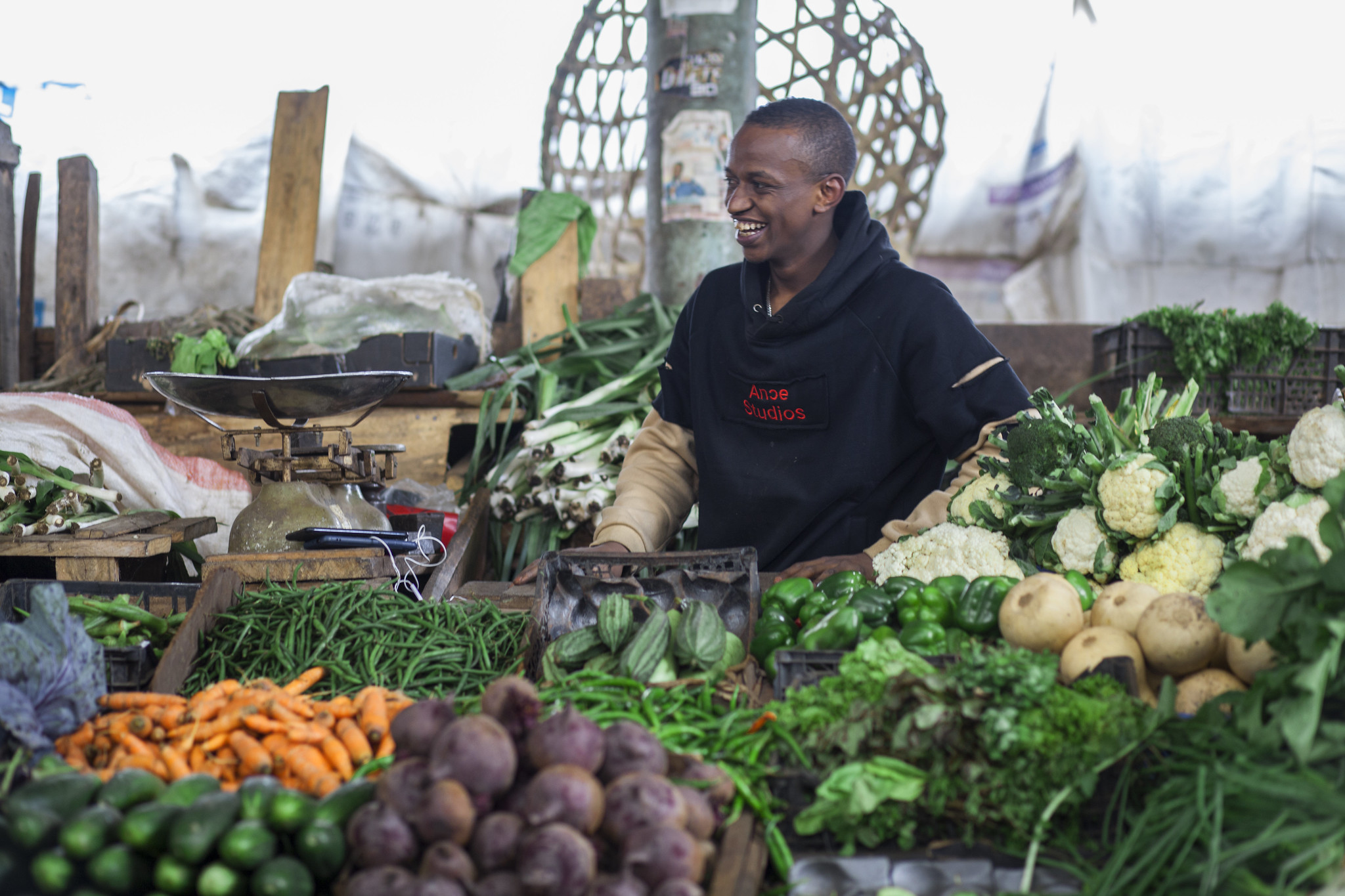
Street food vendors, many of whom are women with limited training, face unsafe working conditions and unclear hygiene regulations. Poor infrastructure for storing fresh produce in markets can lead to food waste, lower incomes for vendors, and health risks for consumers. These interconnected issues make it difficult for residents, especially the most vulnerable, to access healthy, safe and affordable food.
Addressing these issues would require strategies tailored to local needs, available resources and existing constraints; and there is when Rikolto and partners come in!
.png)
Through AfriFOODLinks, we are co-leading Working Package 3 alongside SHONA. This package focuses on promoting inclusive and circular food entrepreneurship and innovation. In Ouagadougou, this translates into the following activities:

We invite you to browse this report about the state of the food system in Ouagadougou. Published in May 2024 as part of the AfriFOODLinks project.
.png)
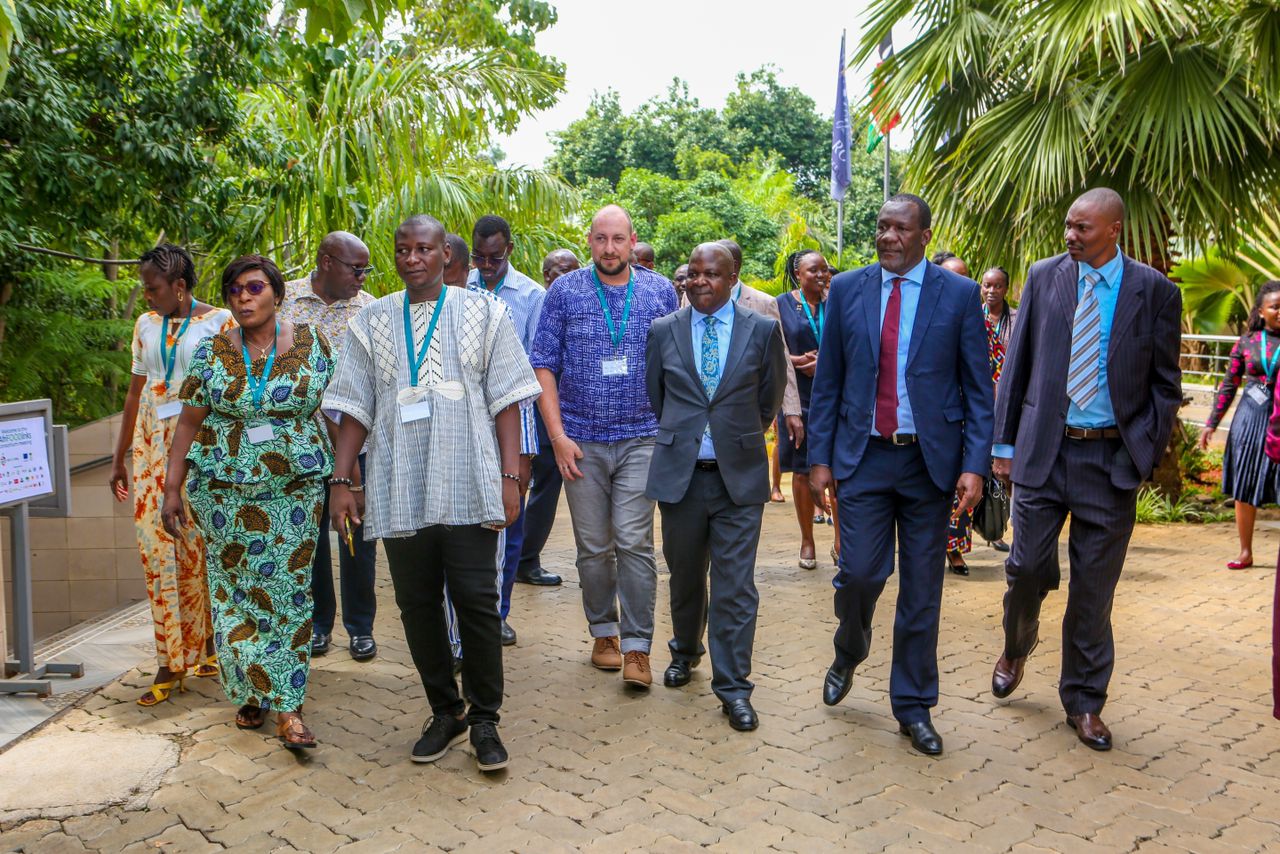
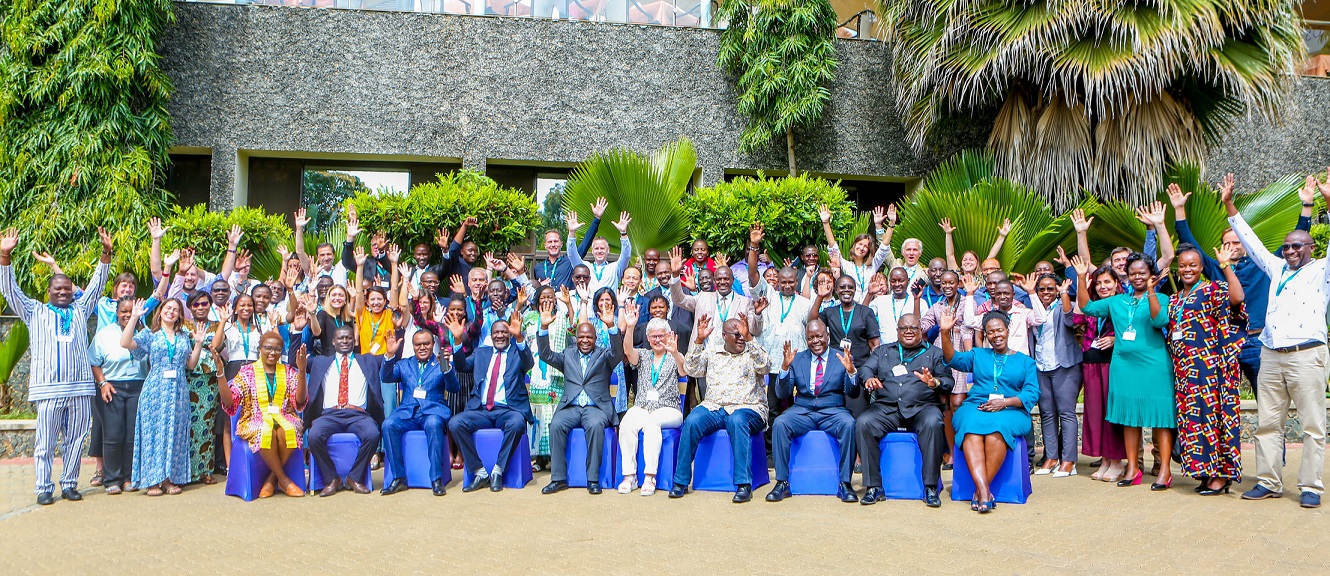
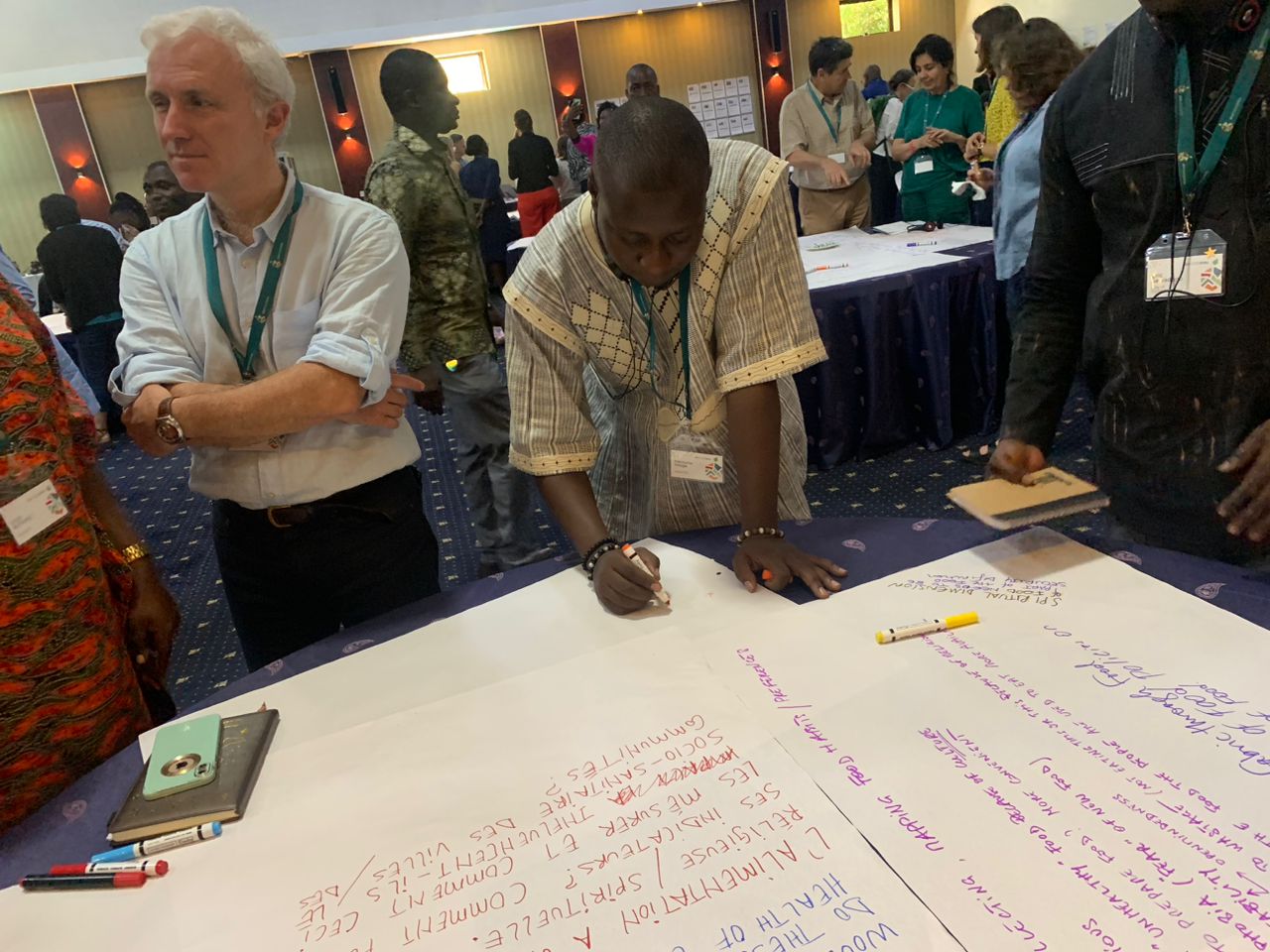
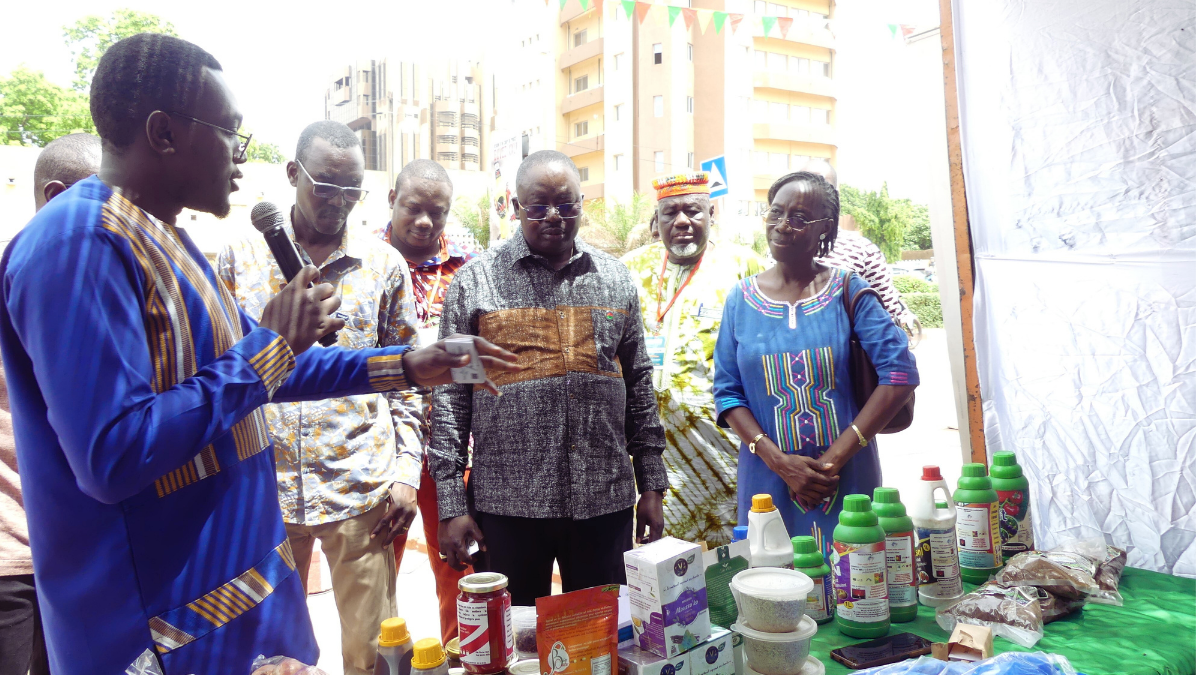
We hope to achieve the following results through these initiatives:

We will support the facilitation of the multi-stakeholder process and consultation with all relevant actors so that everyone can express their views on the measures to be taken to find solutions to the problems that have been identified.
Generation Food is part of Rikolto's international program Food Smart Cities program. In various cities around the world, including Ouagadougou, Arusha, Arusha, Leuven, and Quito, Rikolto supports municipalities in formulating sustainable food policies and putting them into practice. In co-creation with universities, businesses, local food production/distribution initiatives, municipalities and farmers' cooperatives, we are developing business models (from farm to fork) that make the transition to sustainable cities possible. Through Generation Food, Rikolto advocates for the active participation of young people in the development of the future food system.
The project is funded by European Union. The European Research Executive Agency (REA) is the executive agency under the power delegated by the European Commission.
The project in Ouagadougou is being implemented by a network of allied agencies and organisations, including
Rikolto coordinates AfriFOODlinks’ activities implemented by stakeholders in Ouagadougou and maintains relations with ICLEI Africa, the project leader, within its areas of intervention.