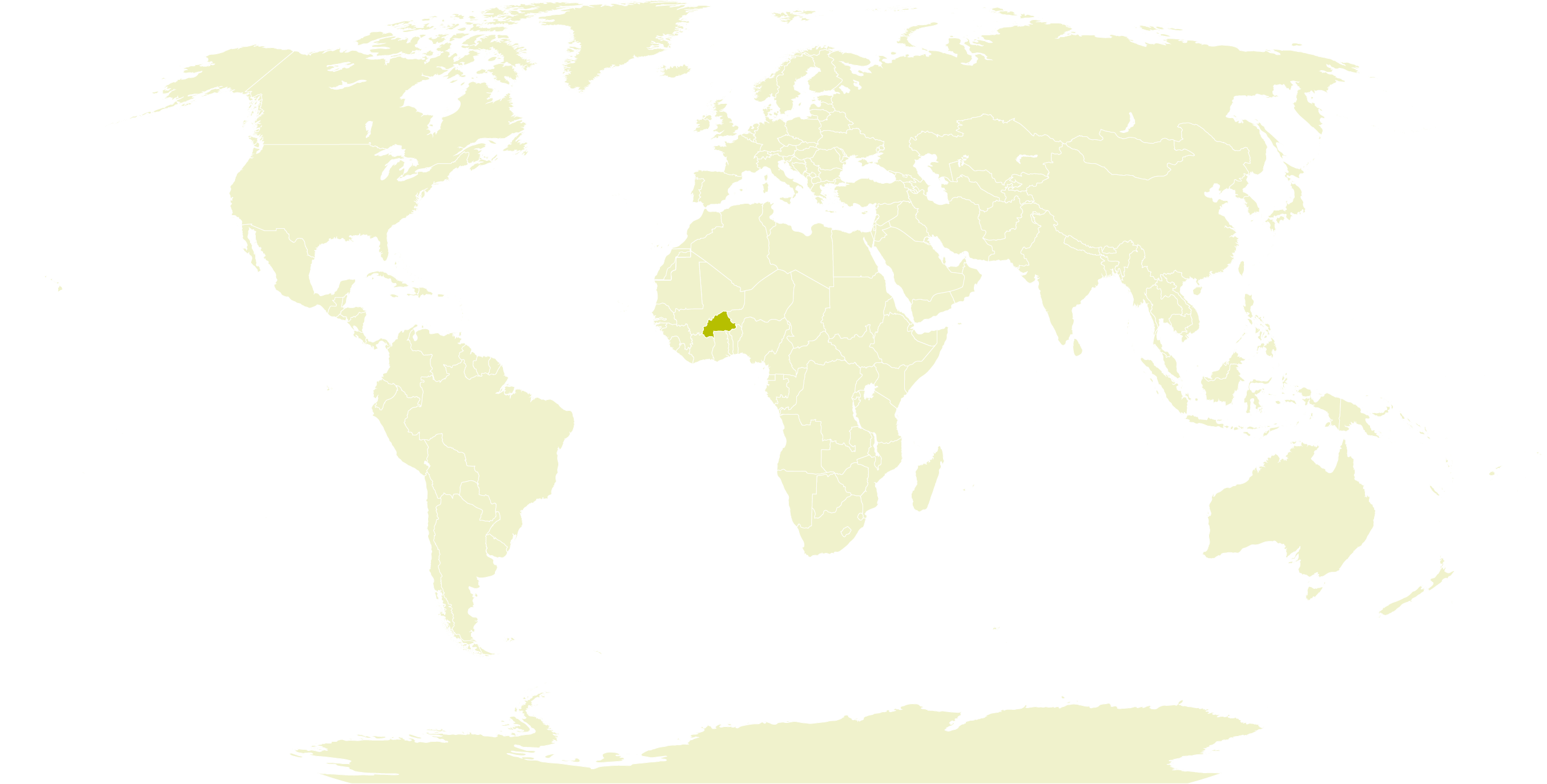
Burkina Faso

Burkina Faso

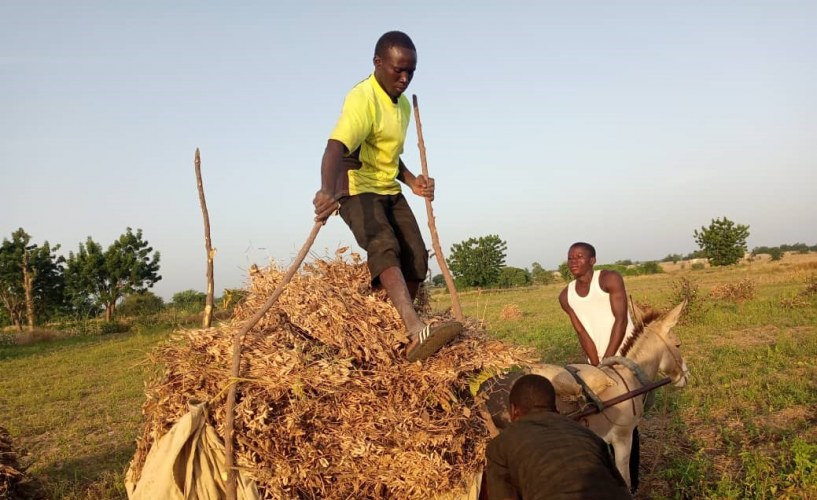
Rikolto builds on a track record of over 40 years in agricultural development in the region. In 2024, we reached 6,357 producers in Burkina Faso.

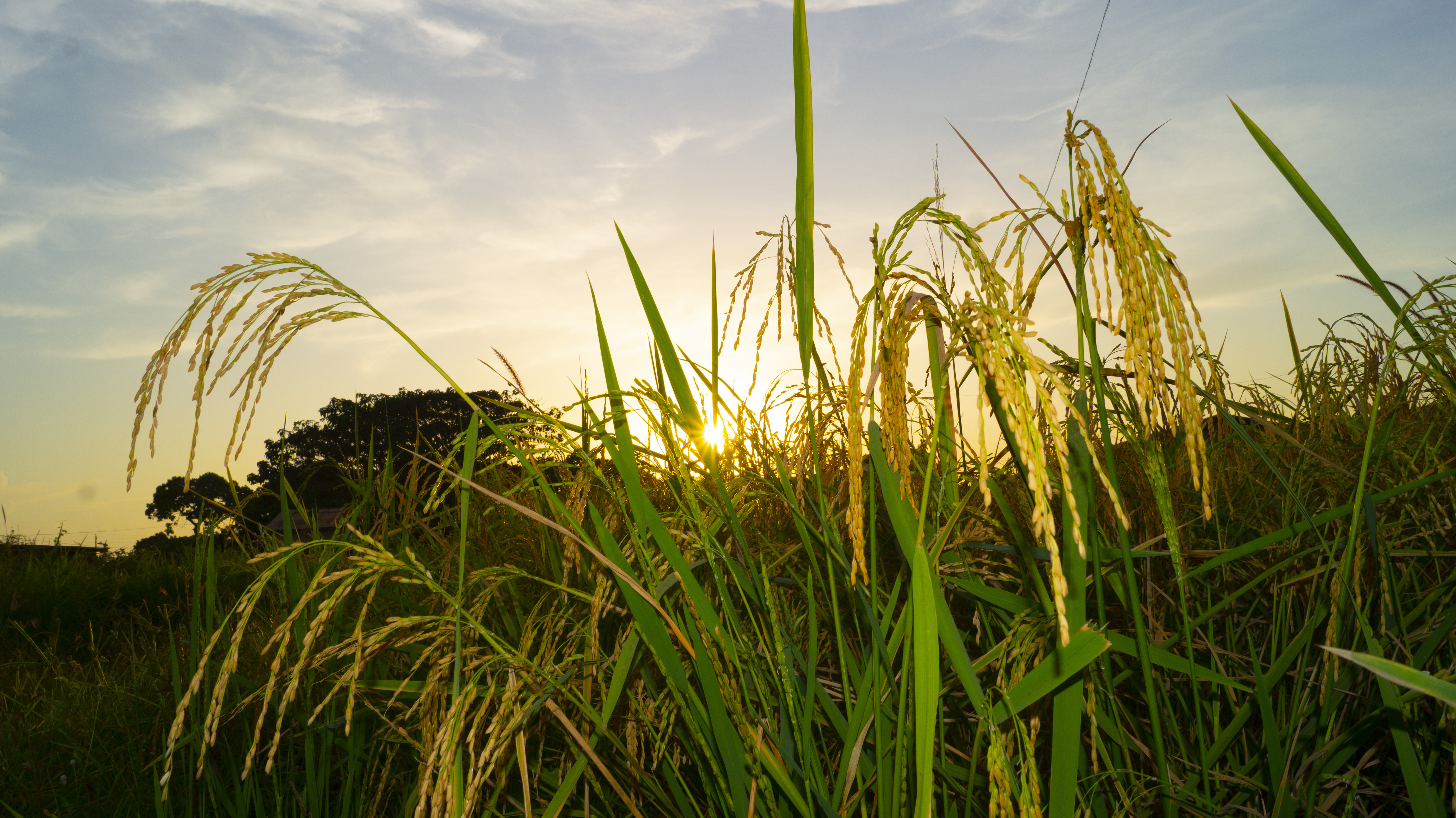
Currently, we are running our Sustainable rice programme, and our Good Food for Cities programme in the cities of Bobo-Dioulasso and Ouagadougou.

Sustainable Rice programme highlights for 2024

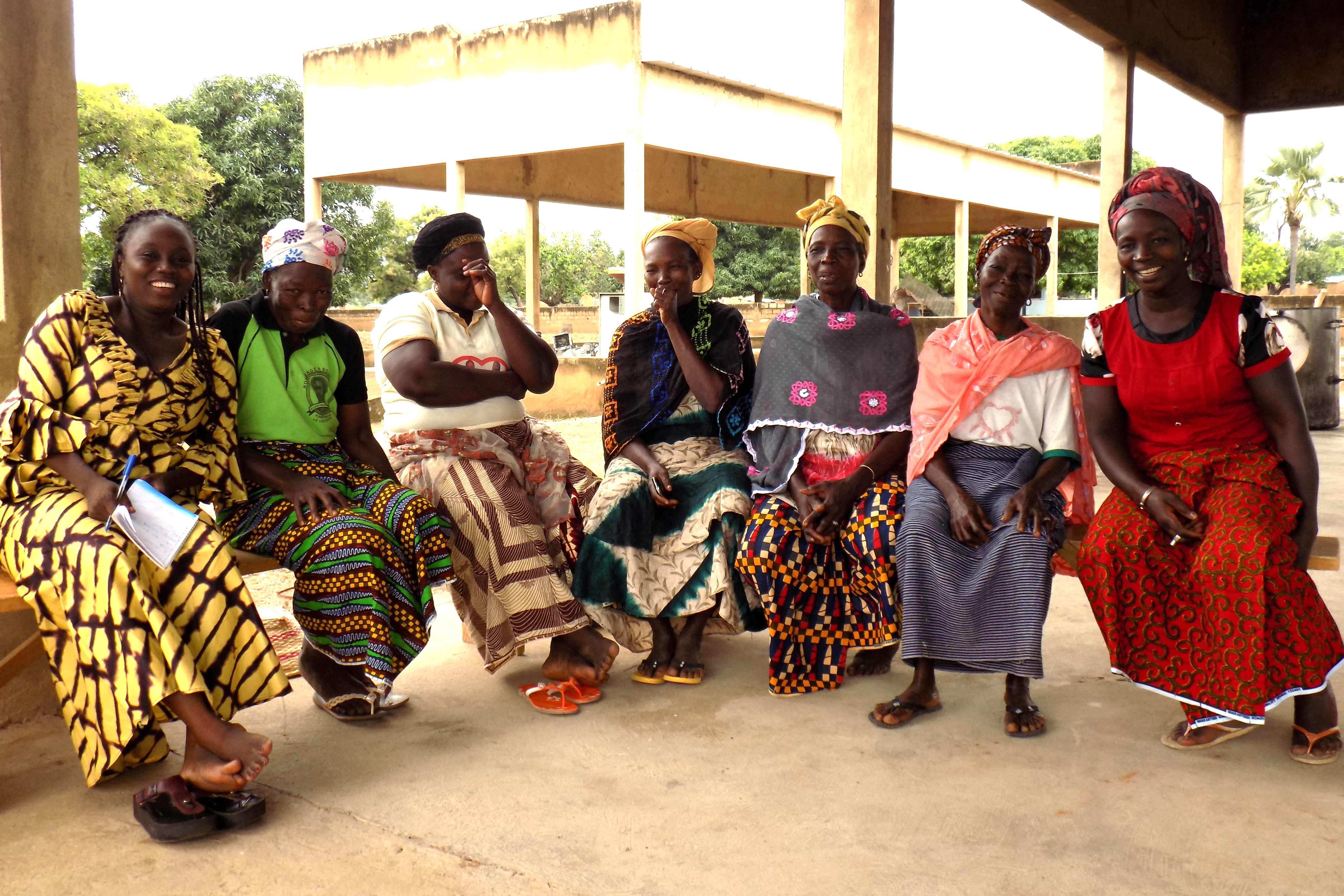
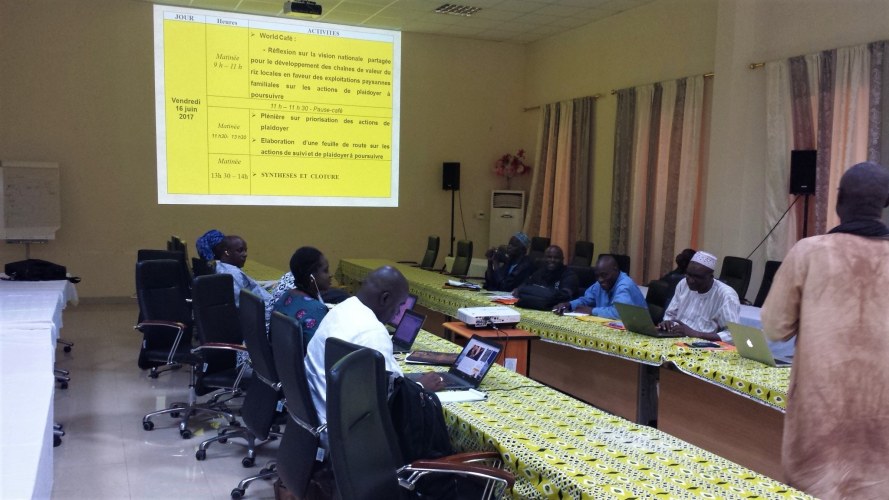
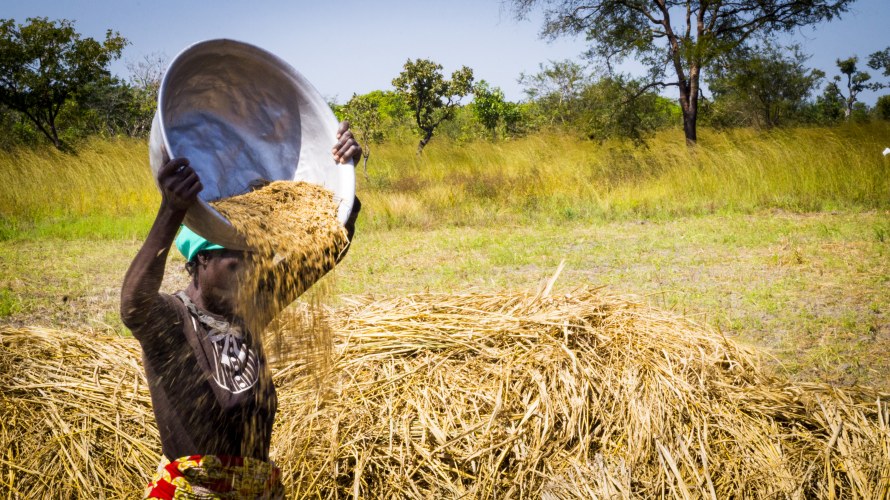
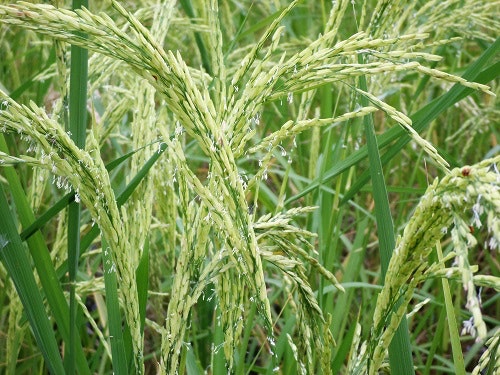
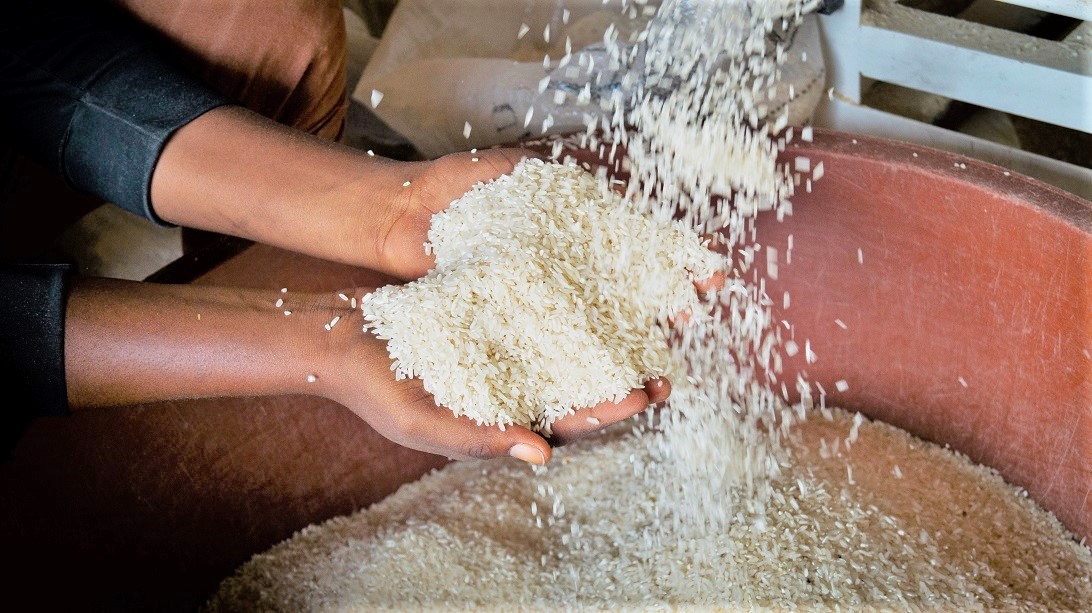
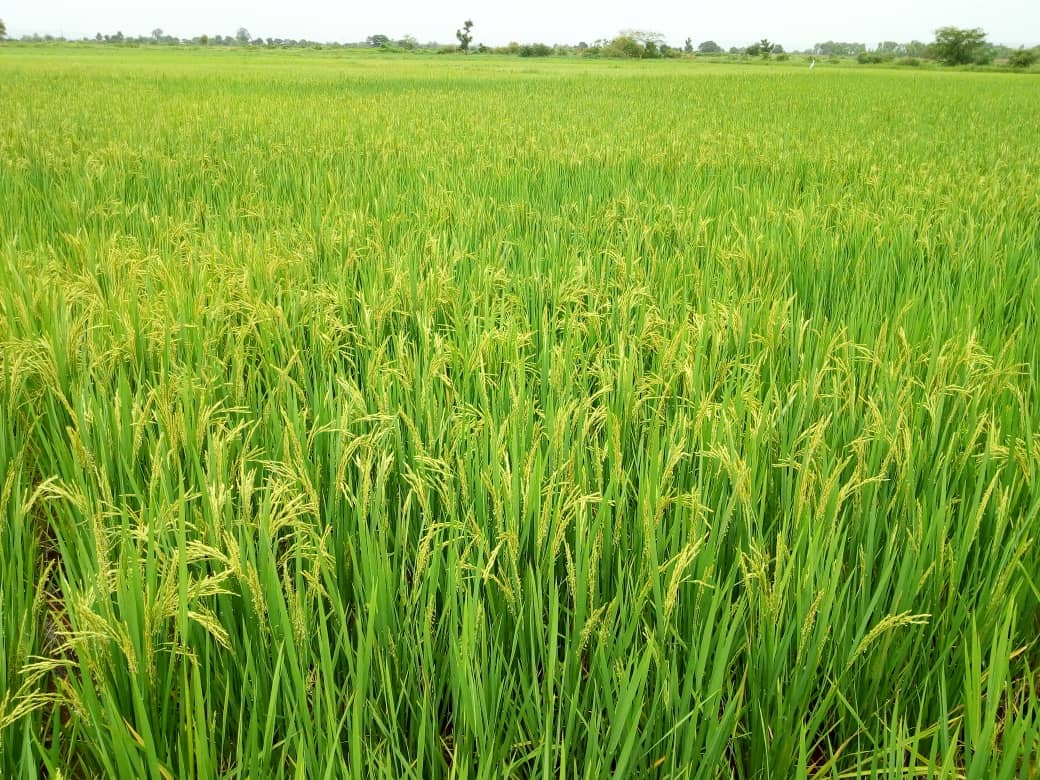
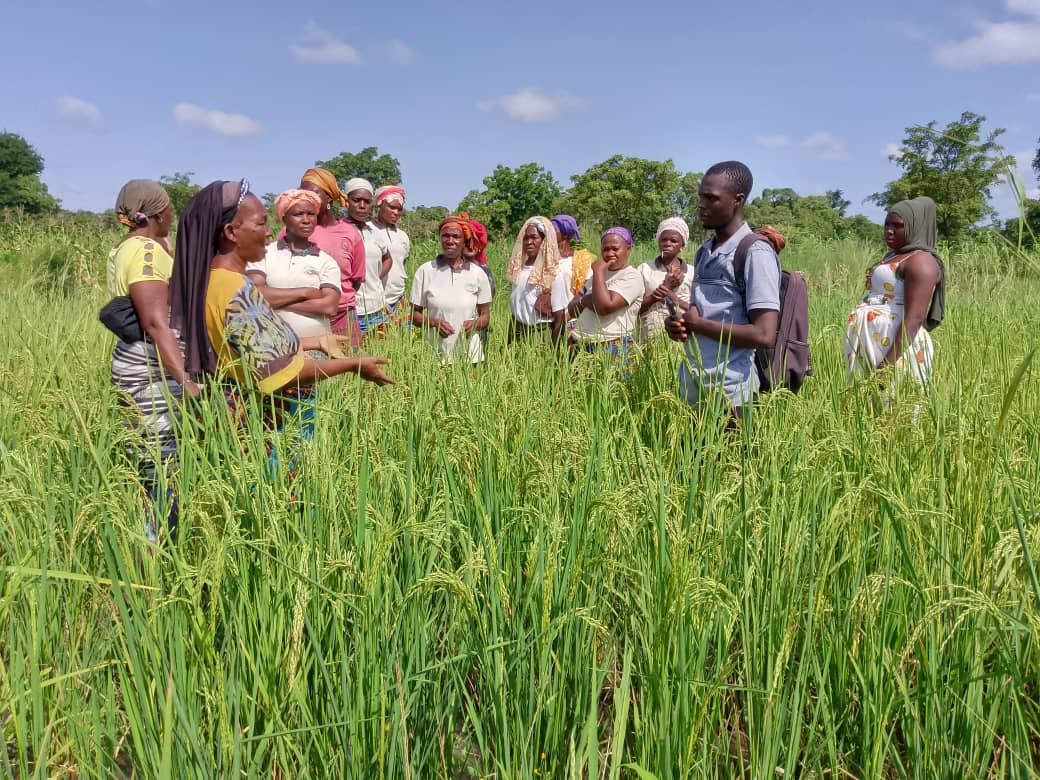
Our partner, the rice interprofessional organisation CIRB, organised a national workshop to establish a floor price for paddy rice, which increased by 26%. For the first time, a floor price was also set for white and parboiled rice30% higher than the common selling price. This achievement crowns sustained lobbying efforts and demonstrated the government’s commitment to supporting national production, complemented by increased investments in agriculture and the introduction of import quotas. To inform policy and planning, we also published a study on rice availability, domestic production, and marketing in partnership with ANACOR (Burkina Faso’s National Association of Rice Traders). Another encouraging result in 2024 was the rise in the number of food system entrepreneurs—from 11 to 142—as more women joined the women parboilers' franchising initiative while others became involved in the marketing of processed rice. This growing interest in the rice sector is a promising sign for its future development.

Good Food for Cities programme highlights for 2024

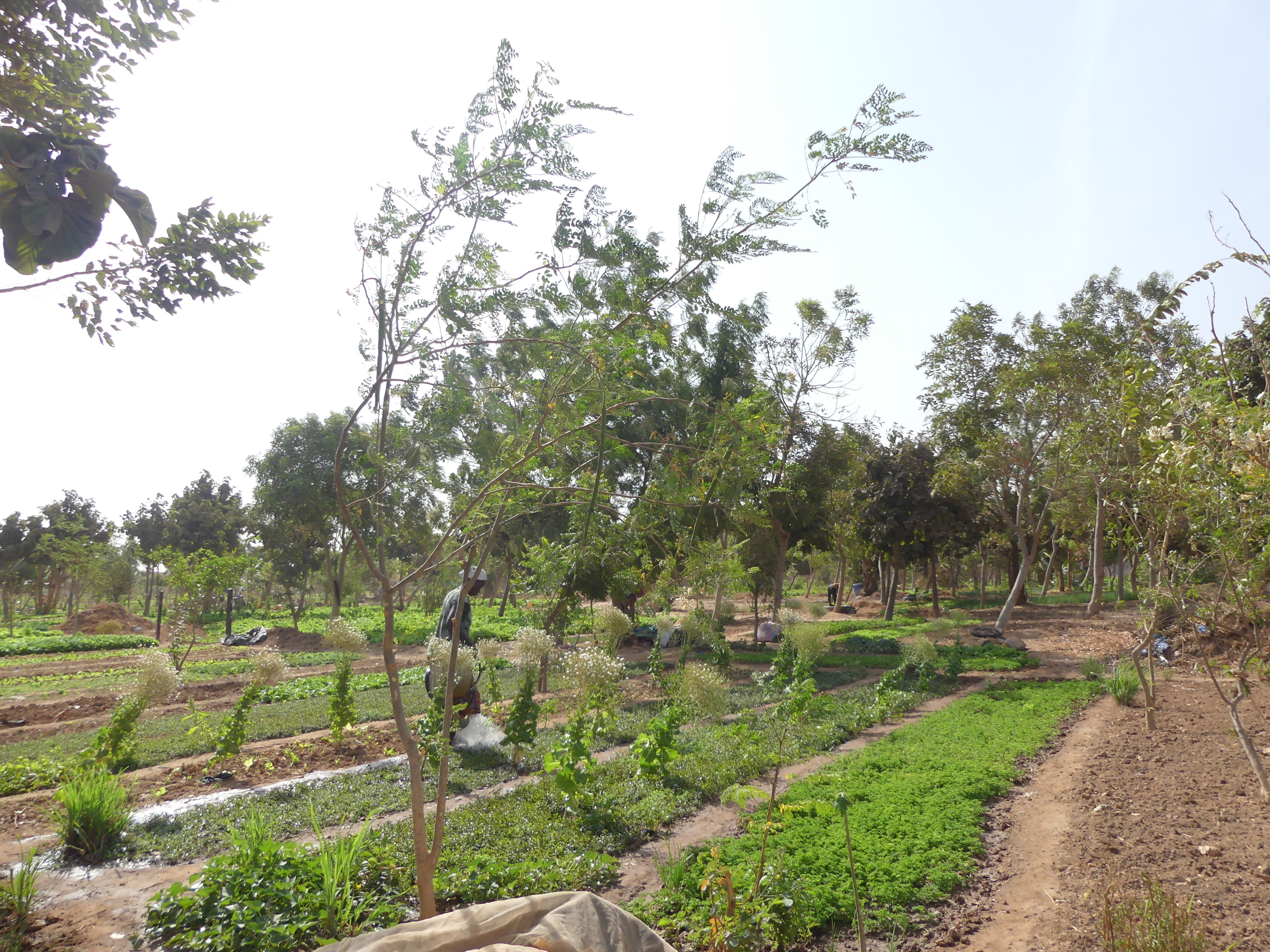
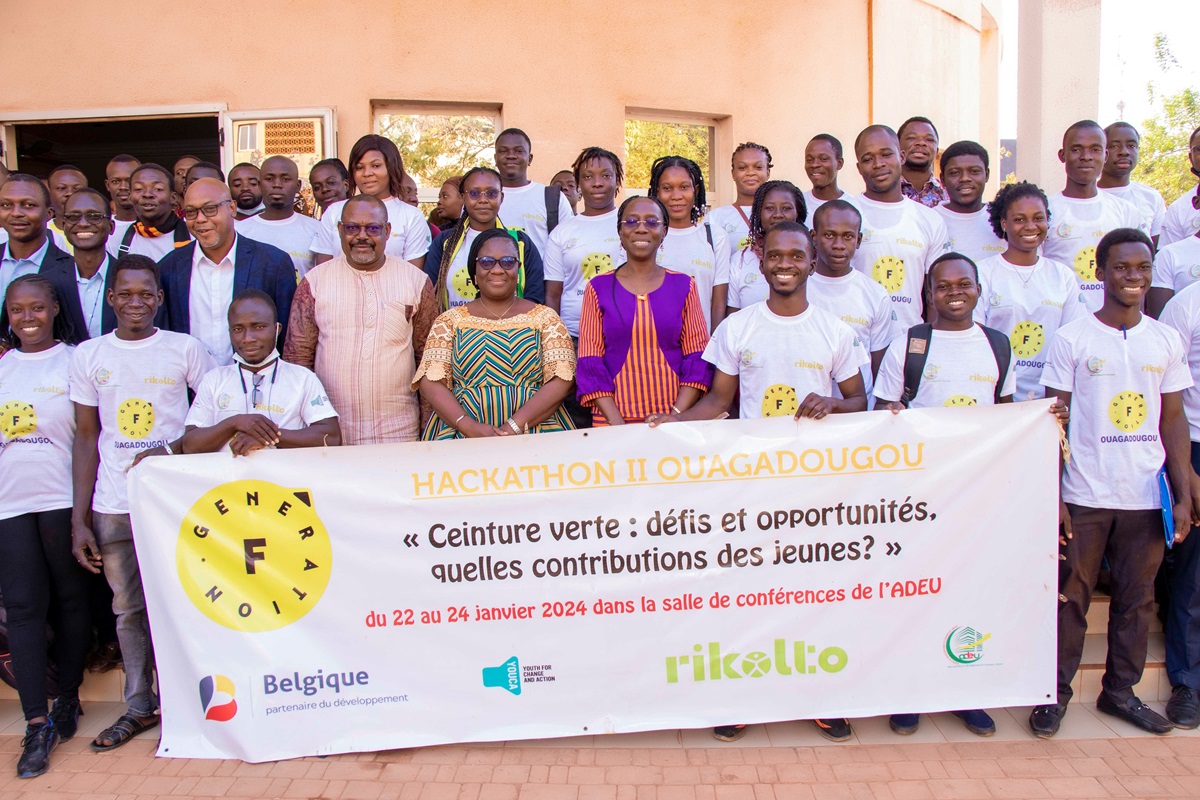
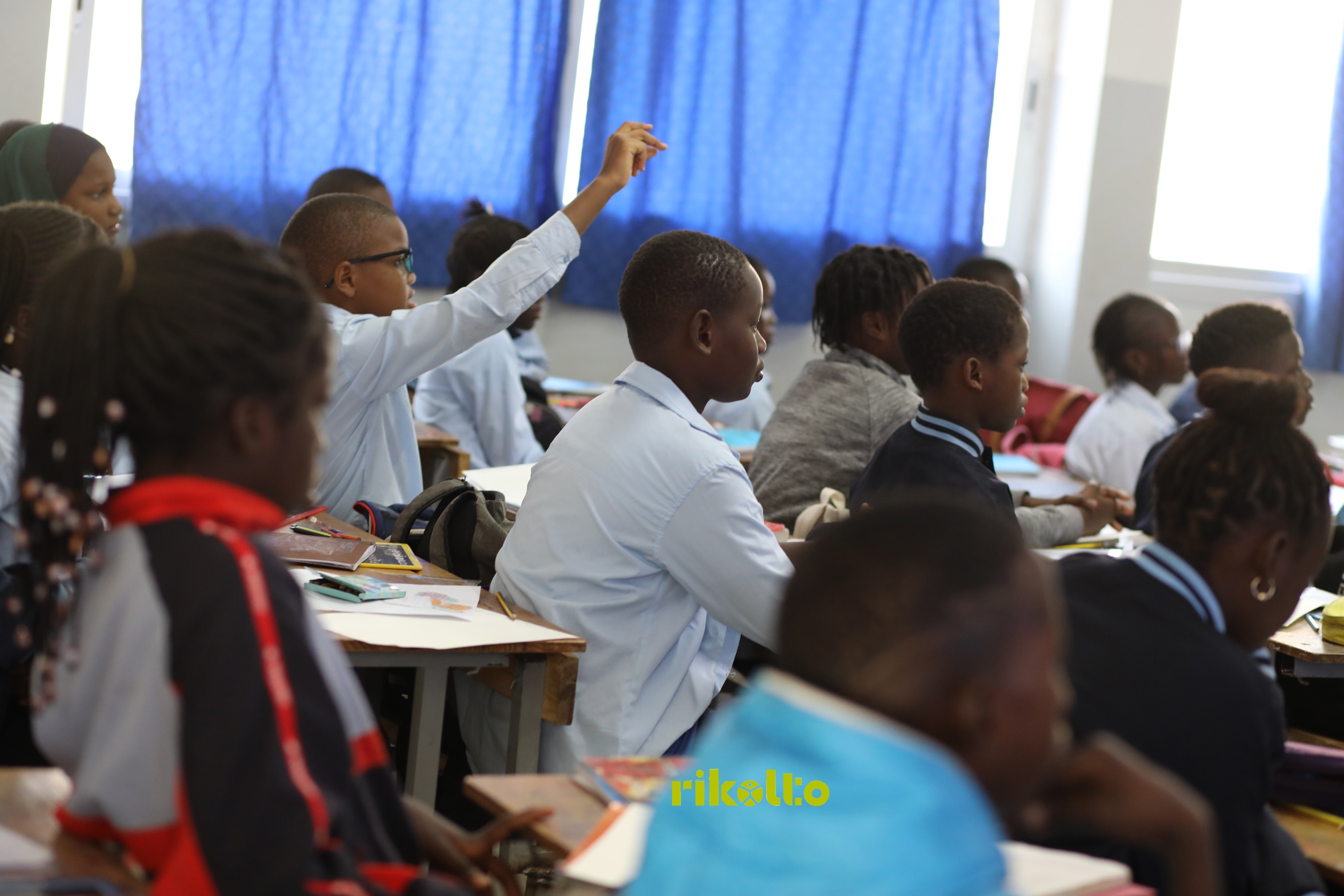
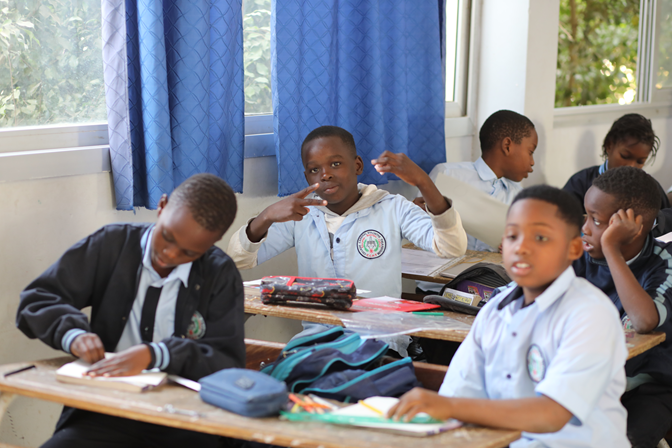
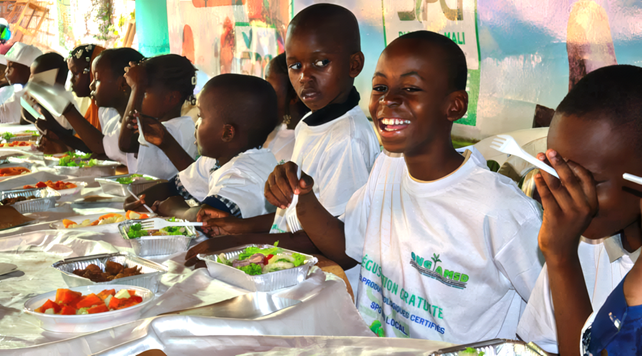
In Ouagadougou, 4 schools have joined Rikolto's GoodFood@School journey! These four schools and one other were involved in various activities related to hygiene and cooking practices, with the support of the EU-funded AfriFOODlinks project. A city-wide food system assessment along with stakeholder dialogues, helped collectively develop a vision and financing models to support more inclusive food enterprises. 17 hectares in the Green Belt were restored using agroecological practices, and 785 farmers were trained in climate resilient practices. As a result of B2B events and trainings from finance to negotiation and marketing techniques, 307 producers - 84% of them women - improved their market skills. In Bobo-Dioulasso, three schools revised their food charters and action plans, while the municipality, supported by Rikolto, began to review its urban and peri-urban agriculture strategy.

Projects

Des filières prioritaires structurées pour des produits de qualité sur des marchés rentables

Le projet, Structuration des filières agricoles prioritaires riz – maraichage – arachide – produits forestiers non ligneux, est une consolidation des acquis de Enabel dans la région du Nakambé et une continuité des actions dans cette région et dans la région de l’Oubri (sur l’axe Koupéla – Ouagadougou). Il porte sur les filières, Riz – Maraichage – Arachide – Produits Forestiers Non Ligneux (PFNL) qui offrent des opportunités de création de richesses dans ces régions.
Updated on:
December 3, 2025

Un modèle d’affaire innovant pour améliorer les revenus des femmes étuveuses au Burkina Faso

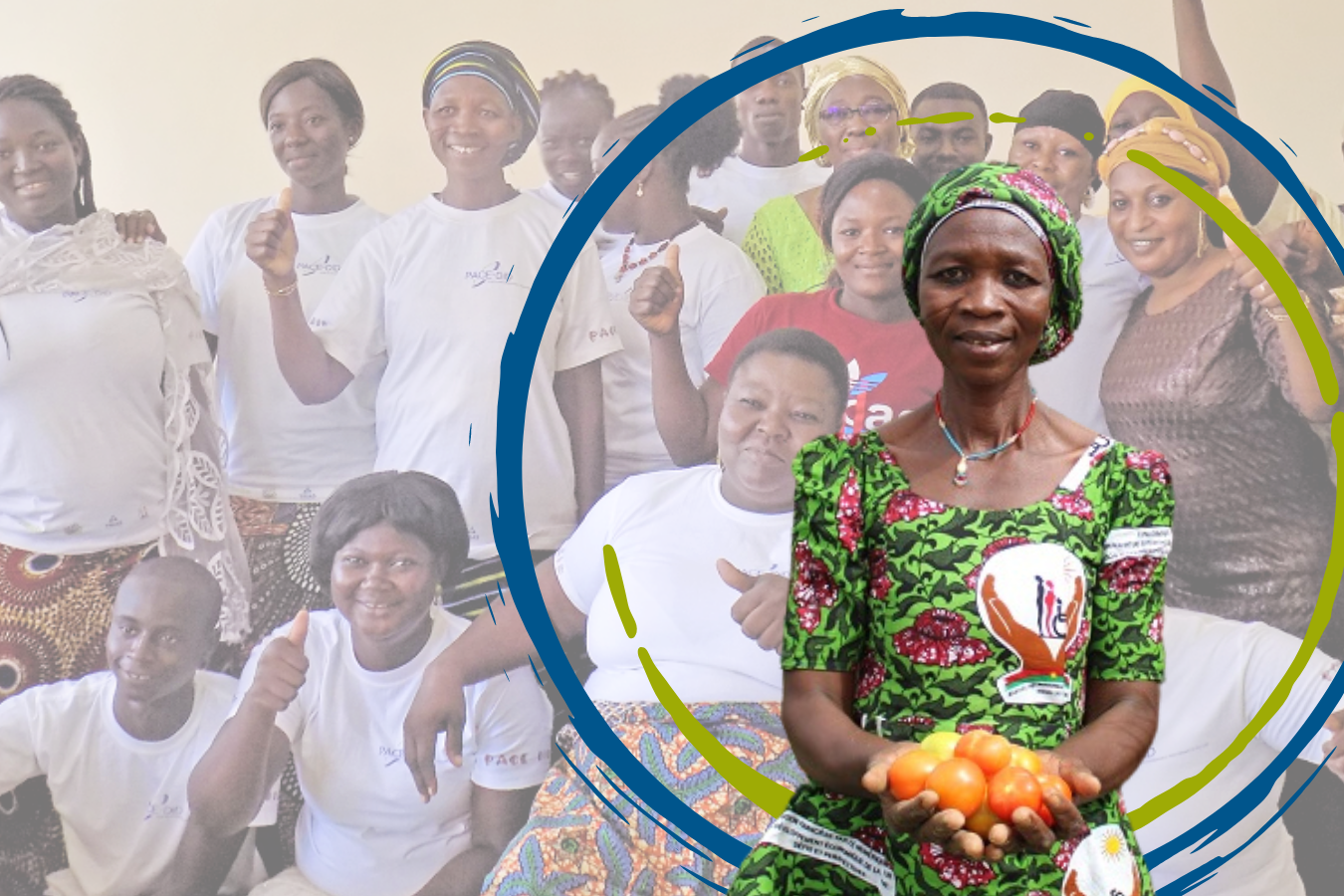
Les femmes étuveuses du Burkina veulent créer et tester la rentabilité d’un modèle d’affaire compétitif et durable qui leur rend service (accès au crédit, marché, intrants, formation, …) et leur permet d’accroître leurs revenus en vendant un riz étuvé de qualité et en quantité.
Updated on:
December 3, 2025

Farmers' organizations as key players in good governance of rice value chains in West Africa

West African rice farmers' organizations are strengthening their capacities, in order, on the one hand, to build a shared vision for the development of the rice sector in West Africa, and on the other hand, to formulate concrete proposals and to better negotiate with private actors and decision-makers in order to improve the political and regulatory frameworks of rice value chains, both at the level of national as well as regional.
Updated on:
December 3, 2025

Restoring the Green Belt to address climate change in Ouagadougou

The project ‘Restoring the Green Belt to mitigate climate change in Ouagadougou’ aims to rehabilitate 15 hectares of land to enhance carbon sequestration and improve the resilience of women and young people to climate change. By combining sustainable agriculture and participatory governance, it creates an inclusive green economy while protecting the local environment.
Updated on:
December 3, 2025

Rice farmers' organisations gain access to a significant share of institutional markets

National rice farmers' organisations in Mali and Burkina Faso are supplying schools and public institutions with sustainable, high-quality rice, creating new local synergies that benefit farmers and consumers alike, and lobbying governments to formalise institutional market exchanges.
Updated on:
December 3, 2025

Towards a sustainable and inclusive rice sector in Burkina Faso

In Burkina Faso, Rikolto works with actors in the sector to provide consumers with healthy, nutritious, nutritious, sustainable, affordable rice and to create income, profits and decent jobs, while reducing its negative environmental impact for future generations. The project aims at a sustainable transformation of the rice sector in Burkina.
Updated on:
December 3, 2025

AfriFOODLinks in Ouagadougou: healthier and safe street food, school meals, and food markets

Transformer les environnements alimentaires urbains en Afrique en renforçant les liens entre les acteurs des systèmes alimentaires dans les villes du continent et en Europe. AfriFOODlinks vise à améliorer la sécurité alimentaire et nutritionnelle tout en produisant des résultats positifs pour le climat et l'environnement et en renforçant la résilience socio écologique dans plus de soixante-cinq (65) villes. Le projet met l'accent sur cinq (05) villes africaines, dont Ouagadougou au Burkina Faso et Mbale en Ouganda dans lesquelles Rikolto implémente des projets.
Updated on:
December 3, 2025

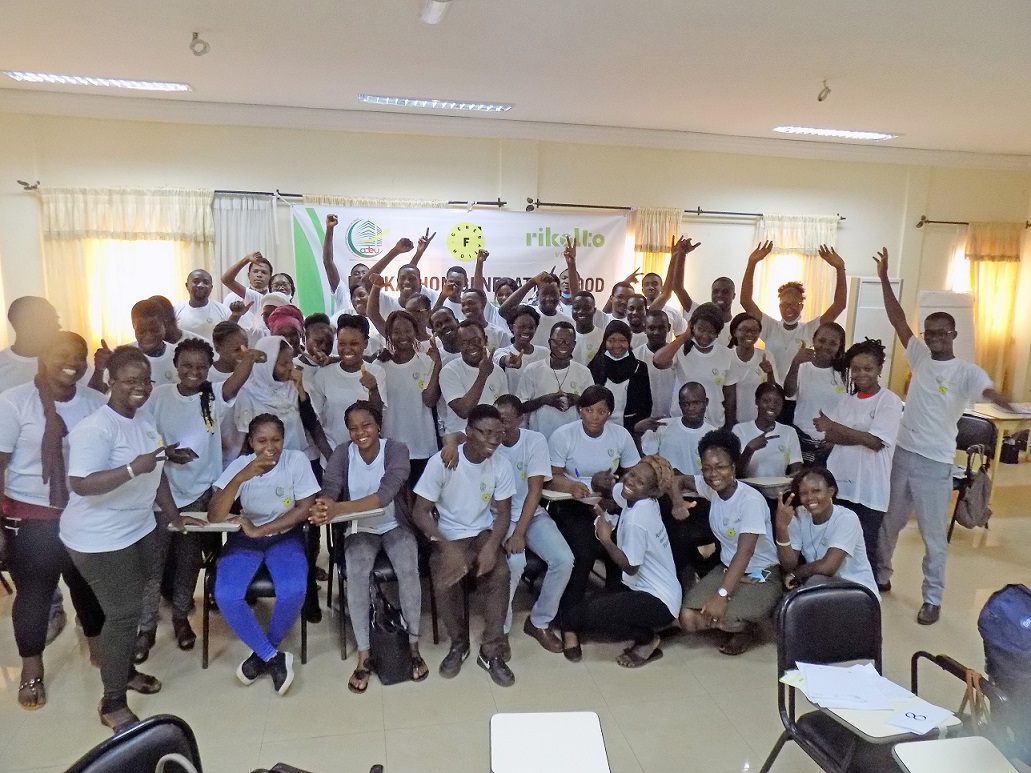
Generation Food: transforming Ouagadougou's food system

Setting up their own enterprises to produce, process or package food in a sustainable way can provide young Burkinabe with a decent income, while also tackling key issues related to the sustainability of our food system. They bring a breath of fresh air to the local food system.
Updated on:
December 3, 2025

Generation Food II

Le projet Generation Food se veut "Une pépinière de jeunes entrepreneurs, pour insuffler une nouvelle dynamique à notre système alimentaire » qui contribue à un système alimentaire durable pour la ville de Ouagadougou.
Updated on:
December 3, 2025

Commercialiser du riz de qualité pour un meilleur revenu

Les acteurs de la filière riz dans la région du Centre-Est du Burkina Faso, veulent relever le défi de mieux valoriser le potentiel de production disponible pour offrir un riz de meilleure qualité sur le marché. La région contribue à environ 1/5ème de la production nationale de riz et dispose de 29% de la capacité de transformation du pays.
Updated on:
December 3, 2025

Un accompagnement pour des entreprises & coopératives inclusives, offrant des produits compétitifs (PTRE-FJ)

La majorité des ménages de la région du Centre – Est pratiquent l’agriculture et la transformation primaire des produits oléagineux. Cependant ; ils en tirent peu de revenus. Trias, Rikolto et leurs associés développent le PTRE - FJ en vu de rendre les entreprises et coopératives agricoles dans la région du Centre-Est plus inclusives et aptes à offrir des produits compétitifs sur des marchés de niche.
Updated on:
December 3, 2025

West African rice farmers reconquering the local rice market

Rice farmers' organisations in Benin, Burkina Faso, Mali and Senegal are improving their competitiveness and their relations with the private and public sectors to win back larger shares of the rice market in West Africa.
Updated on:
December 3, 2025

GoodFood@School: Improving school canteens in West Africa

Les projets GoodFood@School promeut un environnement plus favorable à une alimentation saine dans les écoles. Financé par la DGD, ces projets sont mis en œuvre par Rikolto en partenariat avec les directions techniques des municipalités des villes de Ouagadougou, Dakar, Bobo – Dioulasso, Thiès.
Updated on:
December 3, 2025

Read the latest stories from the ground

Nos donateurs

Nos partnenaires