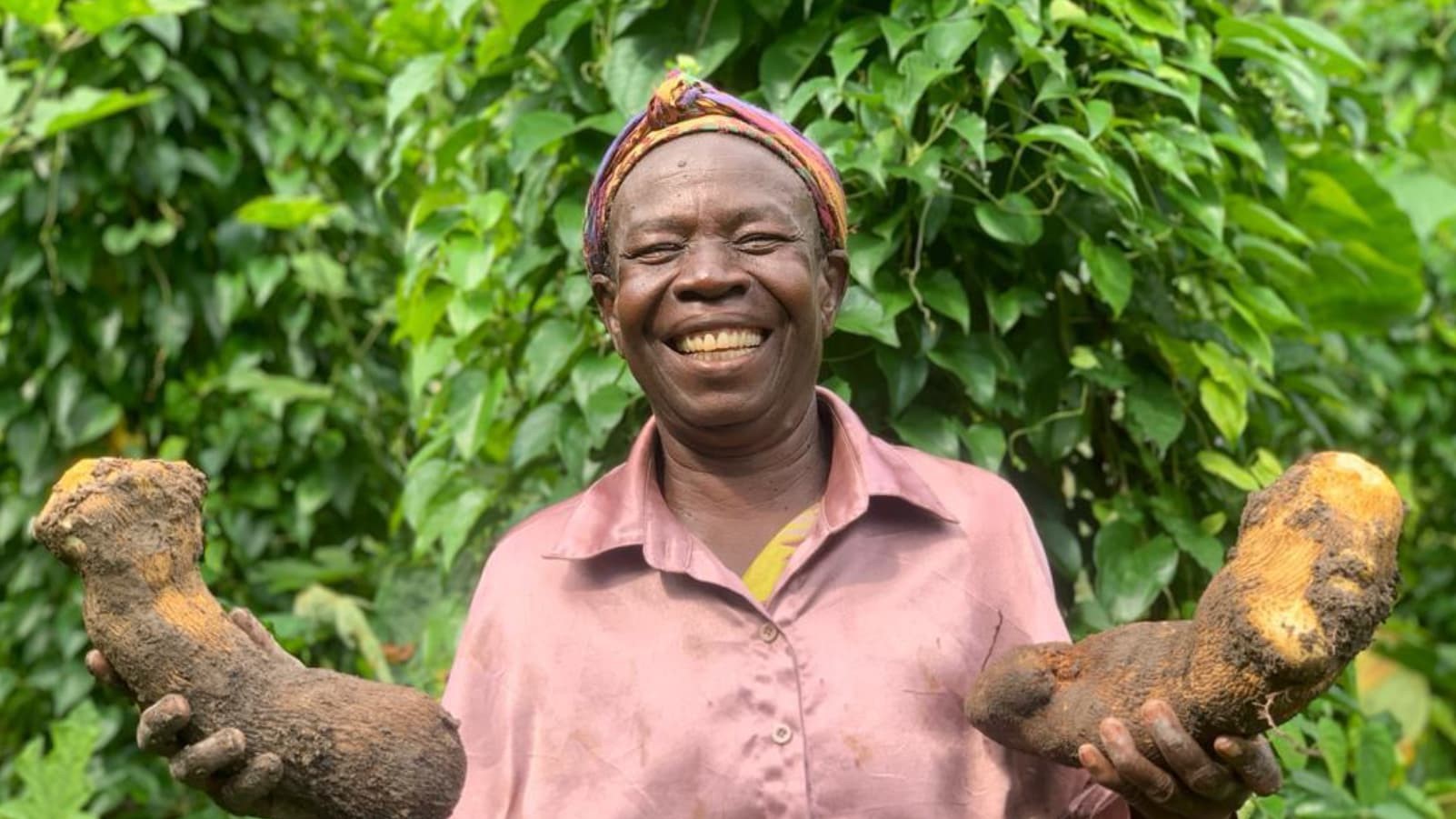

Once a protective green lung for the city, the Green Belt in Ouagadougou has gradually lost its vitality. Today, Rikolto and the Municipality of Ouagadougou, supported by the Flanders International Climate Action Programme funded by the Government of Flanders, are working to restore the area. The project involves restoring degraded land, planting native trees, and supporting agroecological farming. These efforts aim to regenerate the landscape and strengthen the resilience of the women and young people who depend on it.
Burkina Faso’s location in the Sahel region makes it particularly vulnerable to the effects of climate change, such as erratic rainfall and prolonged dry spells. In the capital city of Ouagadougou, these challenges have led to the degradation of natural ecosystems and a reduction in biodiversity.
Established in 1976, the Green Belt was intended to protect against erosion, preserve water resources, and provide residents with biomass energy and food. Over time, however, the area has been used for purposes that do not align with its intended ecological function. Recent efforts to restore the area by involving women who were previously engaged in collecting aggregates have shown promise. These women now care for trees and cultivate vegetables on small plots of land, but their income remains limited due to the plots' small size and lack of coordinated support.
At the same time, socially responsible businesses involved in the Green Belt’s restoration face challenges in aligning their work and generating long-term benefits. This project aims to build on existing initiatives and strengthen collective efforts to rehabilitate the Green Belt in an inclusive and sustainable way.
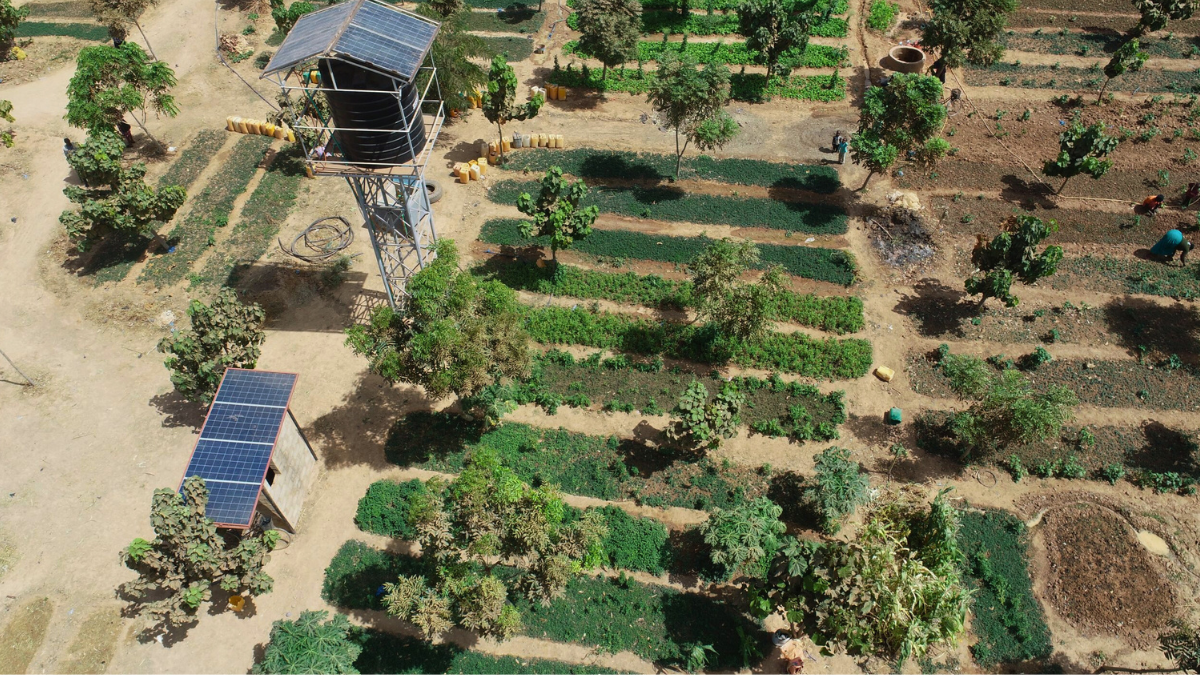
The project ‘Restoring the green belt to mitigate the effects of climate change in Ouagadougou’ is part of our overall Good Food for Cities 2022-2026 programme, specifically in its focus on promoting sustainable production through landscape management.
The project brings together actions in three key areas: promoting sustainable land use, improving food security and enhancing local resilience.
The project promotes water-efficient food production through agroecology, aquaculture, drip irrigation, and the reforestation of native species. Key actions include:
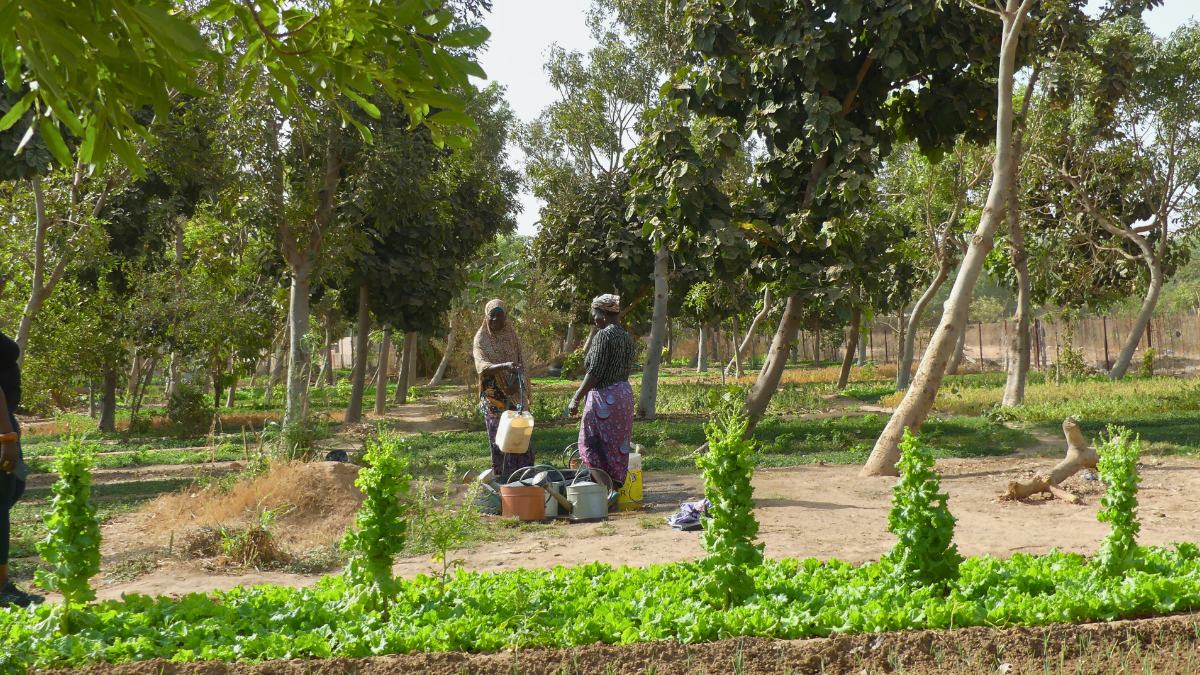
To make agroecological production viable and improve access to food, the project will:
To support the long-term stewardship of the Green Belt, the project will:
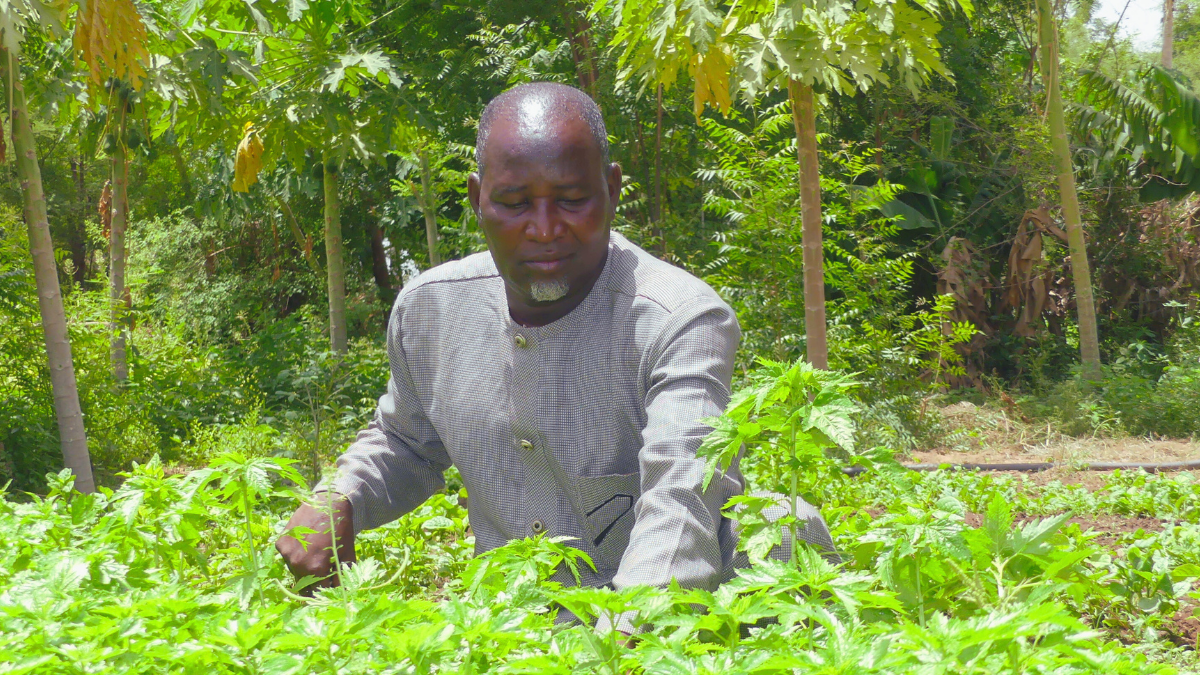
“We need agroecological practices to recover our land, the environment and even our people. We must practice agroecology to try to save everything that is life,”
Souleymane Belemgnegre, President of the Béo-nèere Agroecology Association
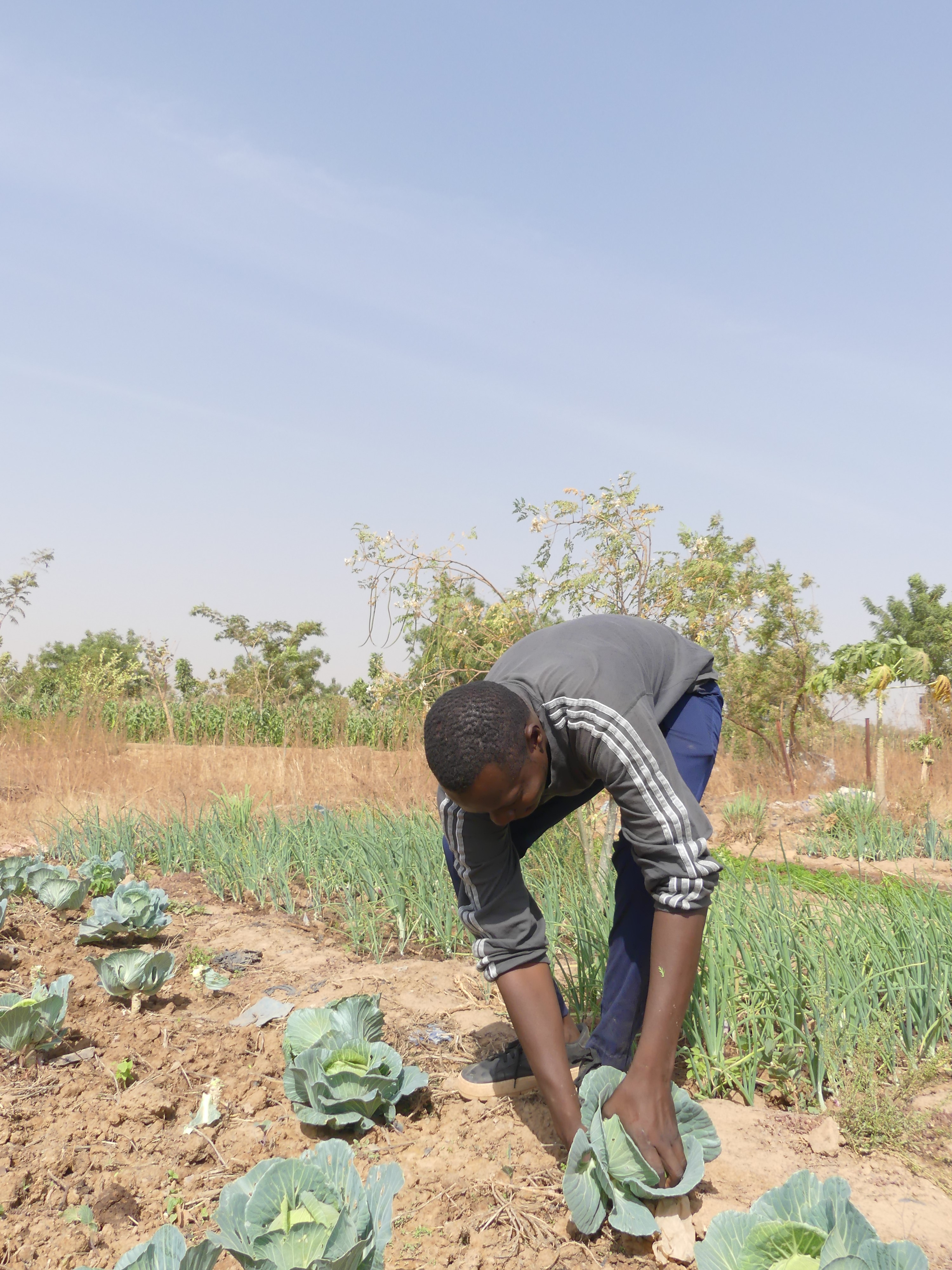
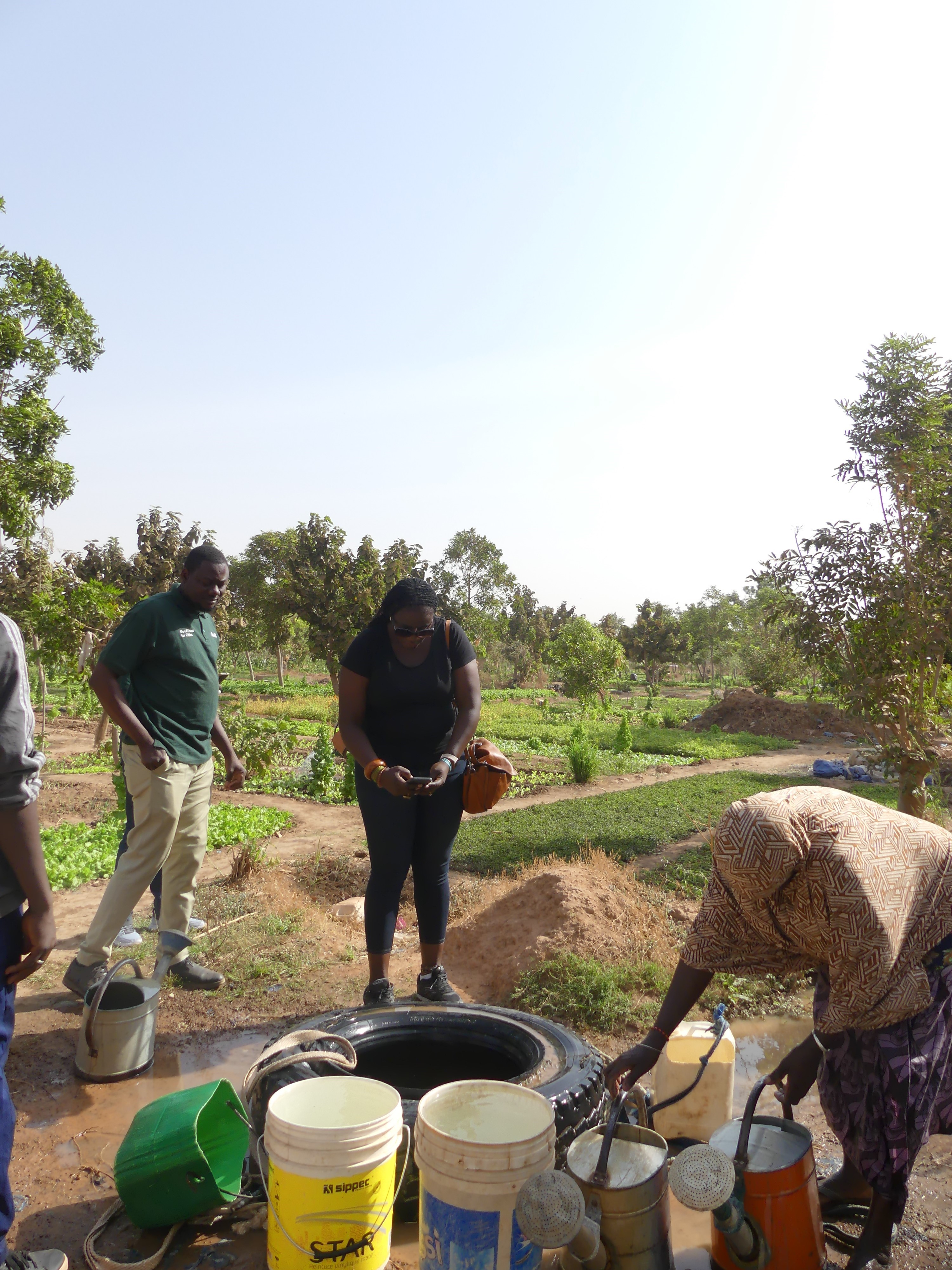

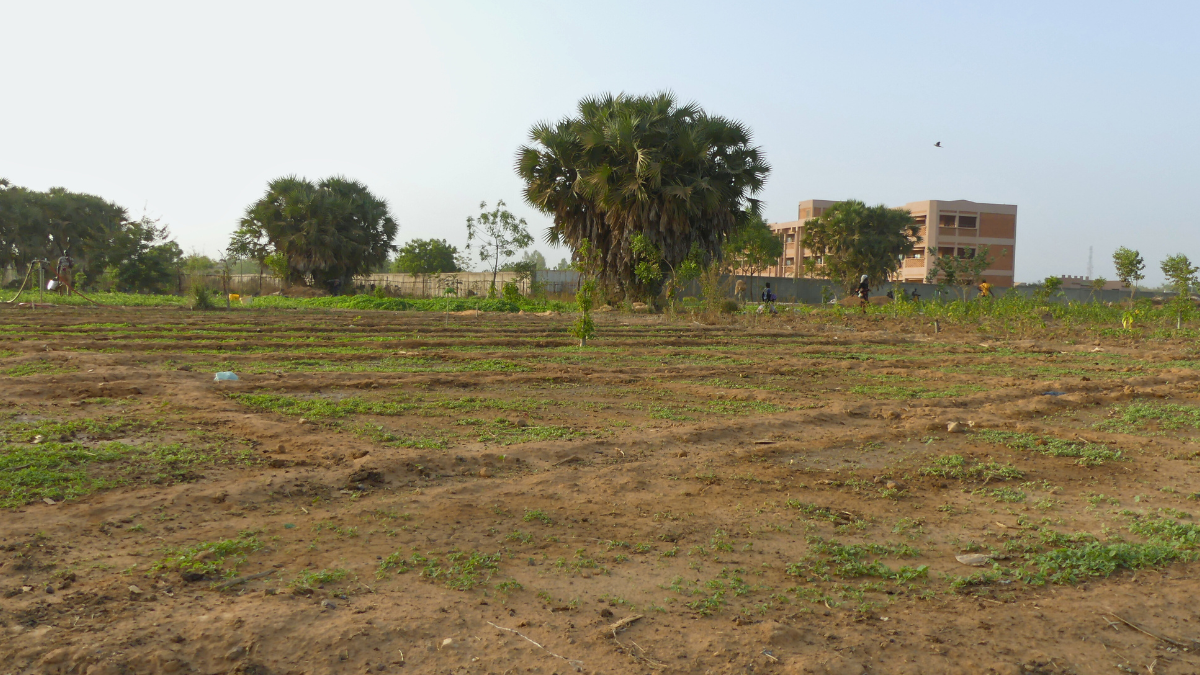
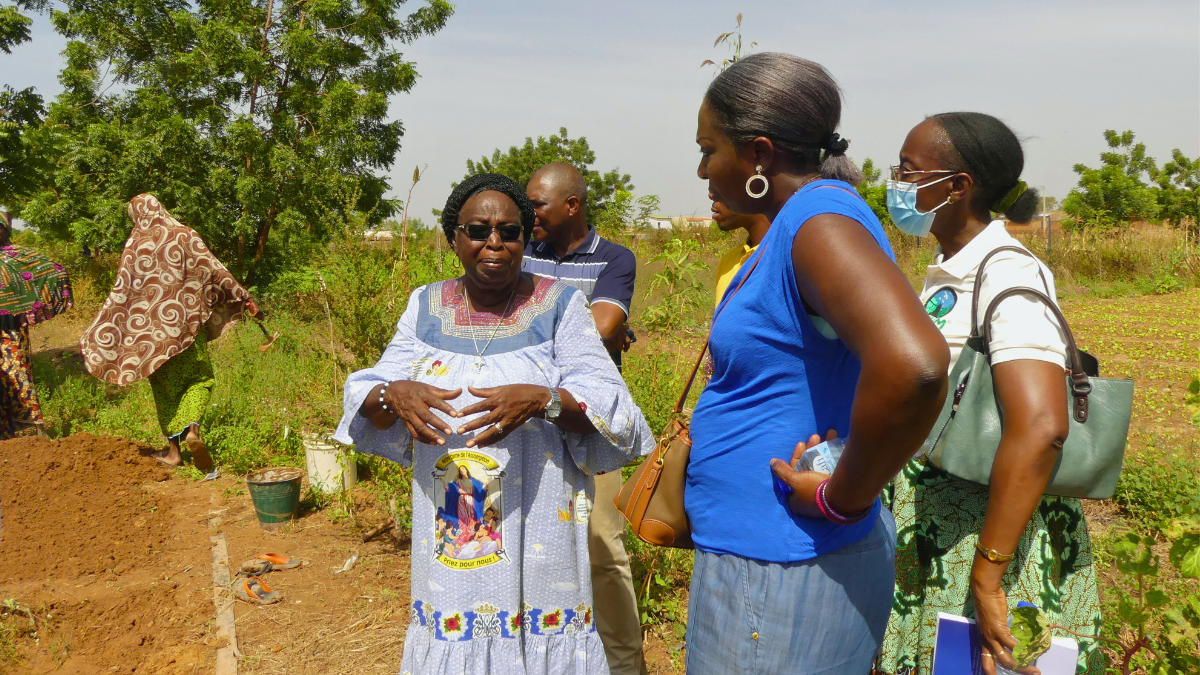
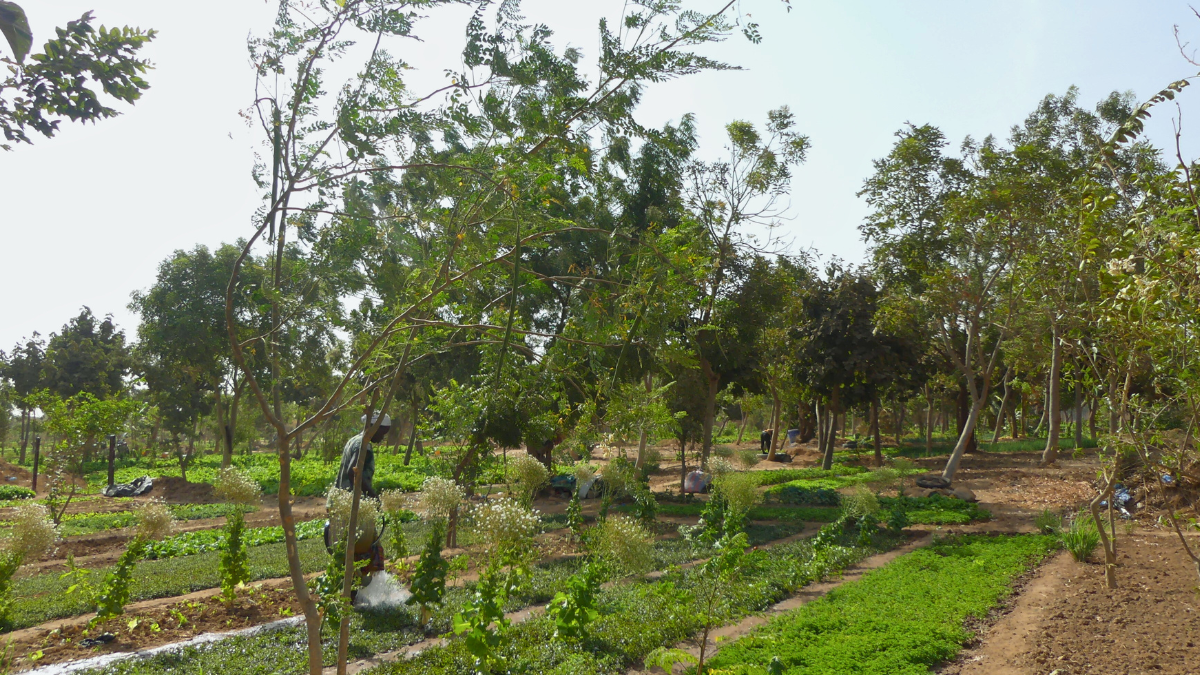
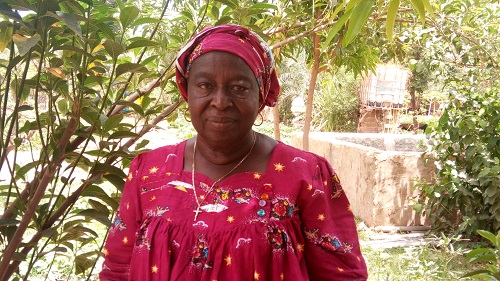
For the hectares announced for the future, market gardeners and nursery growers will need to work together, focusing on market gardening and following agroecological practices on the 15 hectares announced. If we work together, it will be fine.
Generation Food is part of Rikolto's international program Food Smart Cities program. In various cities around the world, including Ouagadougou, Arusha, Arusha, Leuven, and Quito, Rikolto supports municipalities in formulating sustainable food policies and putting them into practice. In co-creation with universities, businesses, local food production/distribution initiatives, municipalities and farmers' cooperatives, we are developing business models (from farm to fork) that make the transition to sustainable cities possible. Through Generation Food, Rikolto advocates for the active participation of young people in the development of the future food system.
The project ‘Restoring the Green Belt to mitigate the effects of climate change in Ouagadougou’ is being implemented with the support of the Flemish Government, which is contributing €500,000.
Consortium members: Municipality of Ouagadougou, Rikolto.
Consortium collaborators:
.jpg)