Sustainable rice

Digital solutions for efficient management of rice commercialisation in Senegal

December 3, 2025

To effectively resolve the lack of reliable production data, which limits its ability to develop an effective strategy for marketing its members' rice and to negotiate effectively with its customers, FEPROBA decided to test digital solutions to better control its statistics.

Icon Place

Pays

Région

West Africa, Soutoure, Kolda region, Department of Vélingara

Icon Scope

Objectif

Digital data collection will benefit a total of 3,000 FEPROBA farmers, 2 rice fields, 11 hullers (rice husking), 153 parboilers, 25 traders, and 50,000 consumers/year.

Icon Duration

Durée

36 months (from October 2019 until September 2022)

Challenges

The implementation of this business model has experienced constraints resulting in little or no availability of production data. These difficulties have had major consequences in the management of FEPROBA, including slowness in collecting paddy, poor planning, and non-compliance with deadlines for delivering the product to the customers. This situation does not yet allow FEPROBA to implement a clear strategy for accessing the rice market.

On the other hand, FEPROBA and its members carry out mass production without considering the specifications of market demand in terms of variety and size of rice. Occasionally, the quality of the paddy or white rice production of the farmers does not meet the requirements of traders who want to align with market demand.
Commercialisation

The challenges for FEPROBA are:

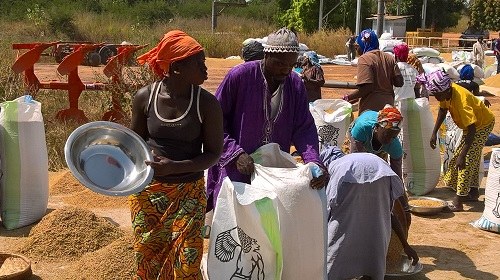
  • To become proficient in the collective management of rice commercialisation.
  • To better structure the federation’s offer to be able to negotiate better with customers.
  • To improve the quality of farmers’ paddy and rice so that it meets the market requirements.

FEPROBA plans to create a digital solution to overcome its constraints and to promote the commercialisation/sale of the production of its members. On the other hand, it plans to have a guaranteed quality process for rice to comply with the market requirements.
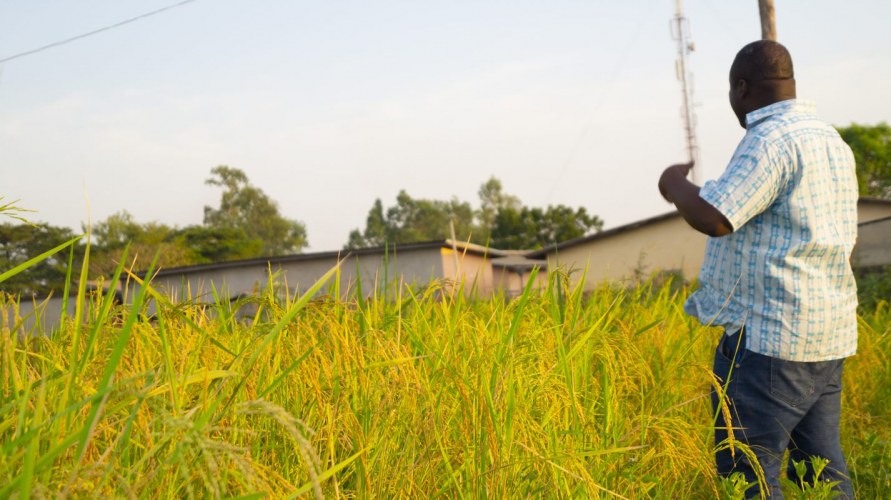

A man looking at rice storage units
Dummy image

Our strategy

FEPROBA plans to create a digital solution to overcome its constraints and to promote the commercialisation/sale of the production of its members. On the other hand, it plans to have a guaranteed quality process for rice to comply with the market requirements. This will be achieved through the following strategy:
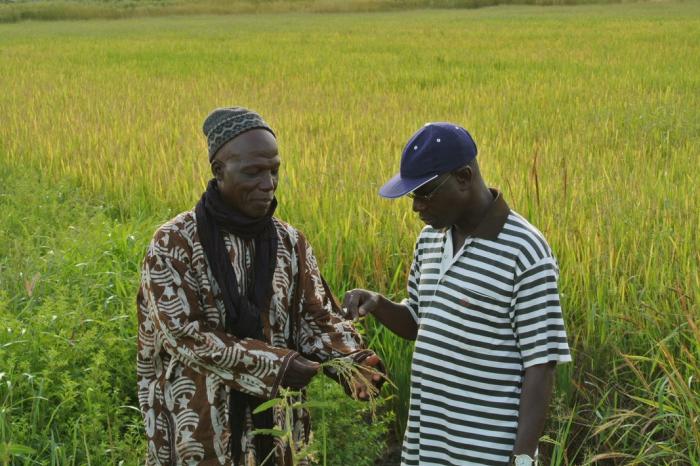
  • Support in preparing a digital database for the reliable management of information on production and commercialisation.
  • Support to operationalise a quality approach within FEPROBA, using the SRP (Sustainable Rice Platform standard) to guarantee the quality of the rice according to consumer requirements.
  • Support in the search for a working capital loan to purchase paddy from members of FEPROBA unions.
No items found.

Expected Results

  • FEPROBA will start using an interactive database on agricultural production and product offerings (paddy, white rice, seeds and parboiled rice). Because of that database, it will have a comparative advantage in local markets in terms of statistics on its offer.
  • FEPROBA will establish formal business relationships with processors and traders targeted by the project.
  • FEPROBA will improve the volume and quality of its white rice offer on the market, from 2,000 to 5,000 tonnes.
  • The good practices acquired within the framework of this project are shared with peer organisations and stakeholders at national and regional level.

In practice, this will result in:

  • 5,000 tonnes of rice being commercialised by FEPROBA.
  • 90% of the rice offered on the market conforming to requirements.
  • The production and commercialisation database being operational.
  • 10 formal contracts being signed and respected between FEPROBA and the processors and traders targeted by the project.
  • A financing document being prepared and published: the good practices gained within the framework of the project will be shared with peer organisations and stakeholders at national and regional level.
Dummy image

Generation Food around the world

Generation Food is part of Rikolto's international program Food Smart Cities program. In various cities around the world, including Ouagadougou, Arusha, Arusha, Leuven, and Quito, Rikolto supports municipalities in formulating sustainable food policies and putting them into practice. In co-creation with universities, businesses, local food production/distribution initiatives, municipalities and farmers' cooperatives, we are developing business models (from farm to fork) that make the transition to sustainable cities possible. Through Generation Food, Rikolto advocates for the active participation of young people in the development of the future food system.
Read more

Who do we work with?

FEPROBA Federation of Farmers in the Anambé Bassin

FEPROBA brings together 5,449 physical persons belonging to four (04) Hydraulic Unions whose members are 264 Economic Interest Groups (GIE), a union of women parboilers and an Association of Breeders of the Anambé Basin.


FEPROBA
Federation of Producers of the Anambé Basin
FEPROBA
DGD
Belgian development cooperation
DGD
CFSI
Comité français pour la solidarité internationale
CFSI

Contact

Récits de terrain

Découvrez d'autres récits