
In Burkina Faso, Rikolto works with actors in the sector to provide consumers with healthy, nutritious, nutritious, sustainable, affordable rice and to create income, profits and decent jobs, while reducing its negative environmental impact for future generations. The project aims at a sustainable transformation of the rice sector in Burkina.
Rice is the staple food of more than 17 million Burkinabés, with an annual consumption of around 844,000 tons in 2025. It ranks 4th
rank of cereals consumed in Burkina and represents a major strategic and economic challenge. Given the strong increase in demand for rice and its considerable environmental footprint, a change in the rice sector is essential to ensure the transition to sustainable food systems that provide decent incomes and jobs for all actors in the sector, especially small-scale farmers (men, women and young people).
The main challenges to be addressed concern:
To define its actions by 2026, Rikolto built on the achievements of its 2017-2021 program. Our approach is based on three complementary pillars: sustainable production, inclusive markets and an environment favorable to the development of the sector.
Rikolto supports producers in training in good agricultural practices (BPA), in accordance with the standard Sustainable Rice Platform (SRP). Their implementation reduces production costs and, therefore, improves farmers' incomes. These practices also contribute to strengthening environmental sustainability by promoting adaptation to climate change, in particular through tools such as the Smart Valley approach.
The project also supports the establishment of internal control systems (SCI) and SRP insurance mechanisms within farmers' organizations (POs), while strengthening their management skills in order to facilitate inclusive business relationships with other actors in the sector.
Rikolto works to create more equitable, transparent and inclusive value chains for each actor, producer, processor, steamer or trader. Particular attention is paid to the participation of women and young people, through a transversal gender integration in all components of the program.
Rikolto encourages farmers' organizations (POs) and their partners to promote gender awareness, strengthen the place of women in value chains and include them in decision-making processes. According to a study by the Burkina Faso Rice Interprofession (CIRB), the rice sector generates around 300 jobs per year, 60% of which benefit women. They play an increasing role in production, governance and entrepreneurship, operating their own plots, generating income and occupying decision-making positions within the sector.
Rikolto supported the development of franchise business models run by women parboilers, grouped together within the National Union of Cooperative Rice Parboiling Societies of Burkina (UNERIZ). Thanks to technical support (design of adapted cooking kits, introduction of renewable energies such as solar dryers, training in education and financial management, development of business plans) and support to facilitate access to credit, these women have become real business leaders. They produce high-quality parboiled rice, now participate in institutional tenders and actively contribute to the economies of their homes and communities. The next objective is to scale up this franchise business model.
At the same time, Rikolto supports the commercialization paddy and parboiled rice by strengthening the links between farmers' organizations (POs), private distributors, members of the merchant association, supermarkets and institutional buyers. To facilitate access to finance, actors from the various links in the chain were supported in the development of business plans and received training in financial education and management. These efforts have made it possible to mobilize more than 5 billion CFA francs in credit for the development of the sector.
To guarantee the sustainability of results, Rikolto also acts on the political and institutional environment of the sector. The project facilitates multi-stakeholder platforms (MSPs) for dialogue and advocacy on sustainable rice (SRP), quality, and inclusive trade relationships. These spaces promote the co-creation of solutions with public authorities, inter-professional organizations and financial institutions. Advocacy efforts have already influenced several advances:
Consolidating these achievements remains essential to enable value chain actors to initiate change themselves, innovate and influence public policies in favor of sustainable, inclusive and competitive rice.
.jpg)
.jpg)
.jpg)
.jpg)
.jpg)
.jpg)
The introduction of the Sustainable Rice Platform (SRP) standard allowed producers to reduce costs of production thanks to a lower use of fertilizers and pesticides, while improving the Rice quality. This improvement has resulted in increased demand, especially for the TS2 and Orylux varieties. Les Yields have increased from 3—4 tons/ha to 5—6 tons/ha, resulting in average increase of 17% in net revenues between 2022 and 2024.
Through the improvement of rice quality and the establishment of inclusive business practices, 7,904 producers have benefitted from better trade agreements.
Female franchisees have considerably increased their volumes of transformation and their income : the net profits of women parboilers have almost doubled, supported by better market access and a 14% increase in the selling price. Over the years, UNERIZ has become a solid business partner, which has allowed it to obtain a investment on the part of Kampani to finalize a processing and distribution center, as well as a reconnaissance increased on the part of government, which supplied it with new machinery, thus increasing its production capacity from 8 to 15 tons per day.
Cooperatives have strengthened their commercial ties with buyers, primarily the women parboilers themselves, who prefer rice that meets the SRP standard. In total, the volumes of sustainable rice sold on markets went from 8,641 tons in 2022 to 14,200 tons in 2024.
Through its support to the rice interprofession (CIRB), Rikolto has contributed to creating a more favourable framework for the development of sustainable rice production, while strengthening the role of the CIRB as a driver of change and a key partner in the implementation of the National Rice Development Strategy (SNDR II). The CIRB's advocacy efforts have also made it possible to obtain other advances:
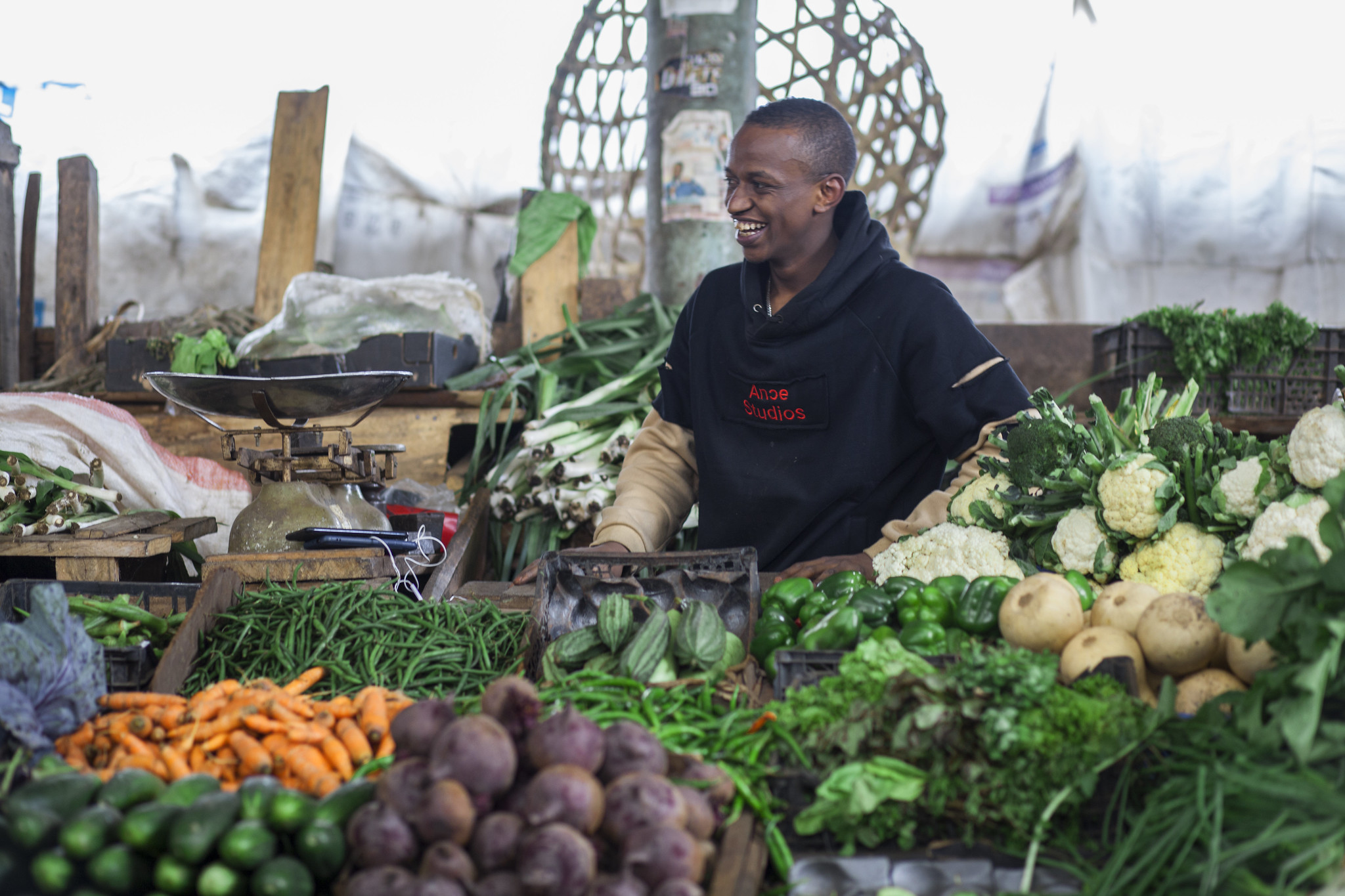
Generation Food is part of Rikolto's international program Food Smart Cities program. In various cities around the world, including Ouagadougou, Arusha, Arusha, Leuven, and Quito, Rikolto supports municipalities in formulating sustainable food policies and putting them into practice. In co-creation with universities, businesses, local food production/distribution initiatives, municipalities and farmers' cooperatives, we are developing business models (from farm to fork) that make the transition to sustainable cities possible. Through Generation Food, Rikolto advocates for the active participation of young people in the development of the future food system.
Partners: